
The question of what is the healthiest tea comes up a lot, especially when you want to drink tea not only for taste, but also for real body support. Different leaves, processing methods and active ingredients make each tea work a little differently. This guide will help you understand which tea is the healthiest, how to match it to your needs and what to look for when choosing.
Key information from the article:
- There is no single healthiest tea for everyone, as each body has different needs and reacts differently to the components of infusions.
- Green tea is most often considered the healthiest in the world due to its high antioxidant content.
- Oolong and pu-erh support metabolism and digestion, while offering stable, mild effects.
- Black tea improves concentration and can be a milder alternative to coffee.
- Fruit and herbal teas are caffeine-free and work well for daily drinking and evening calming.
Ranking of the healthiest teas - meet the world's leaders
Below you will find a ranking of the healthiest teas, which is based on the content of bioactive ingredients, the way they are produced and their effect on the body when consumed regularly.
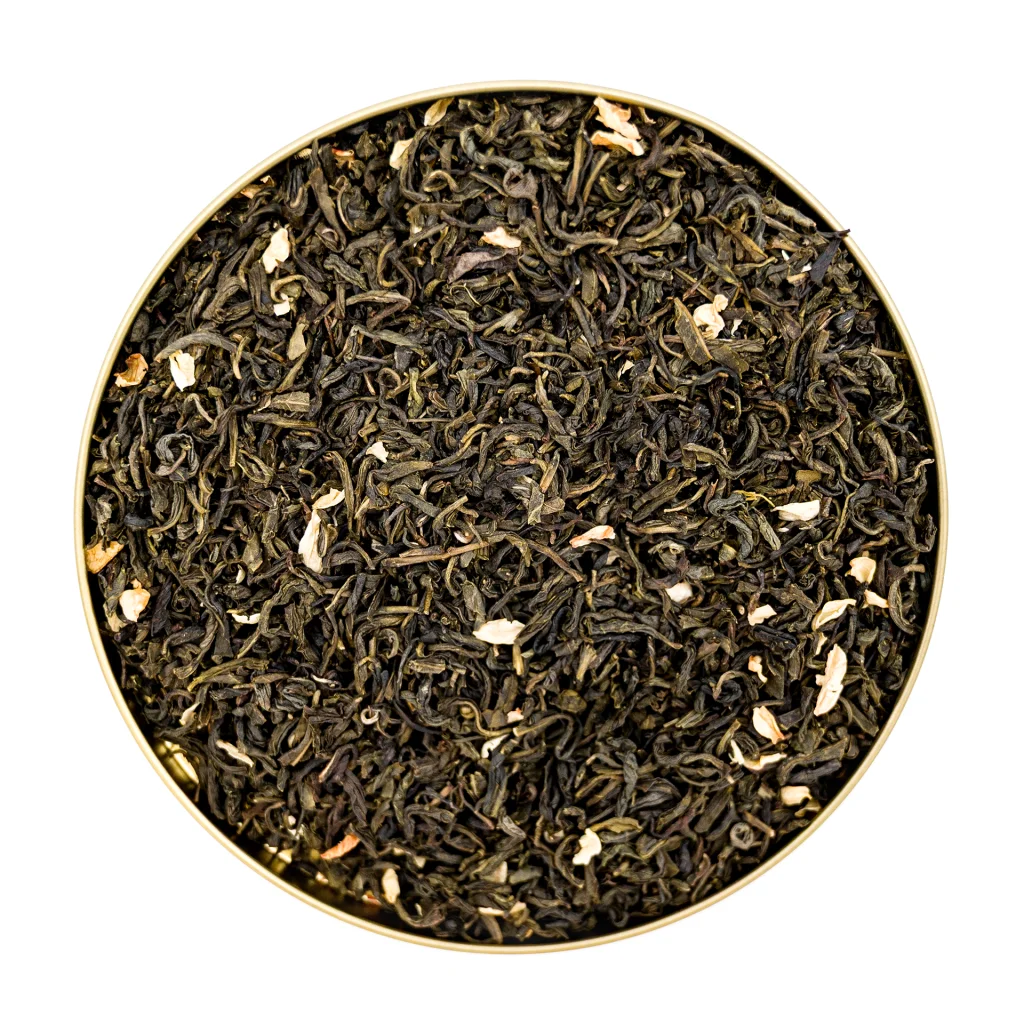
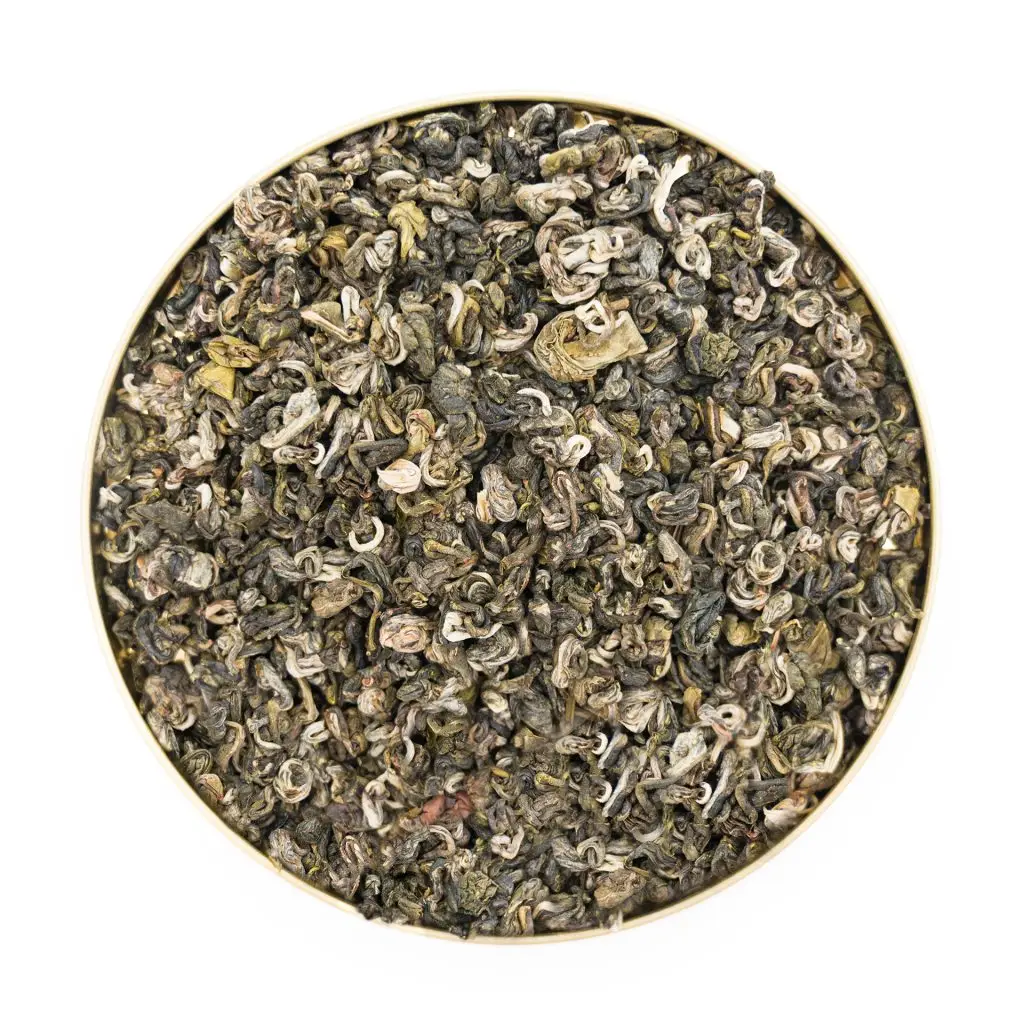
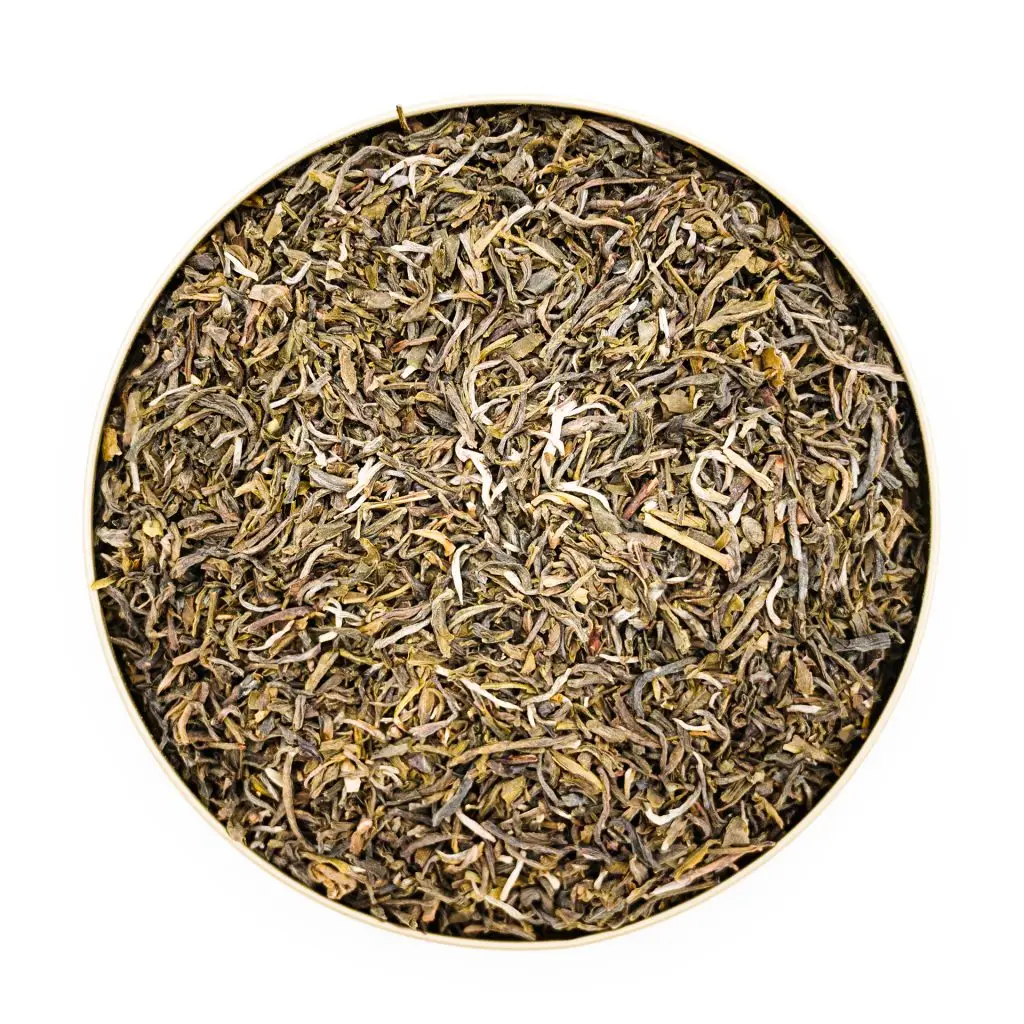
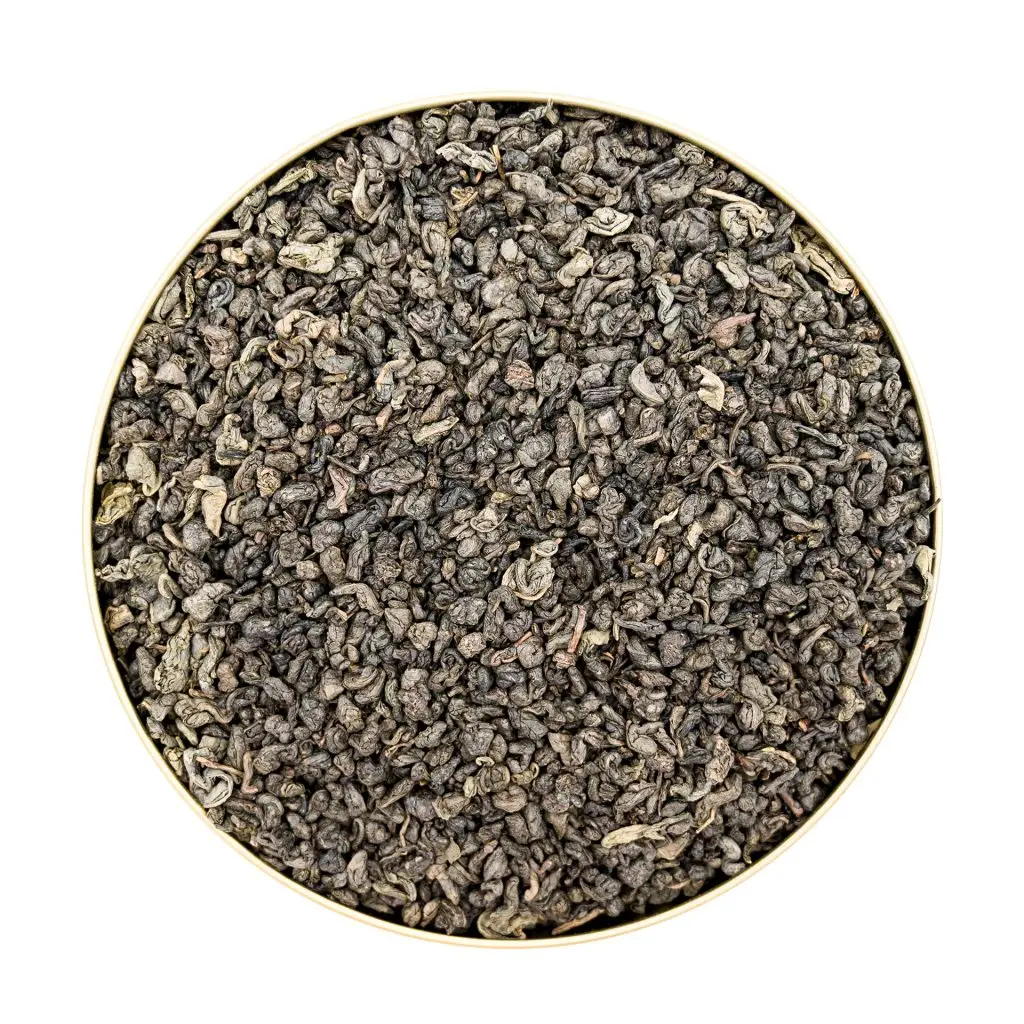
1. green tea - for many people the best of all
In many lists, it is green tea ranks first as the world's healthiest tea. It contains high amounts of catechins, which promote cell protection, help neutralize free radicals and benefit the cardiovascular system. Among the most commonly cited properties of green tea include support for concentration and metabolism.
Wondering which green tea is the healthiest? Definitely go for high-quality leaf teas, such as sencha or matcha, which retain the most natural properties.
-
Jasmine
16,45 zł -
Yun Ming Green
31,95 zł -
China Green Yunnan
19,95 zł -
China Gunpowder Super
14,45 zł
2. oolong tea - a balance between taste and action
Oolong tea combines the characteristics of green and black tea, so its effect remains balanced. Properties of oolong tea will be appreciated by those looking for a balance between taste and infusion effect. The polyphenols it contains support metabolism and help keep energy levels stable throughout the day. Regularly reaching for oolong is sometimes recommended for those who want to take care of digestion and concentration without a sudden boost.
-
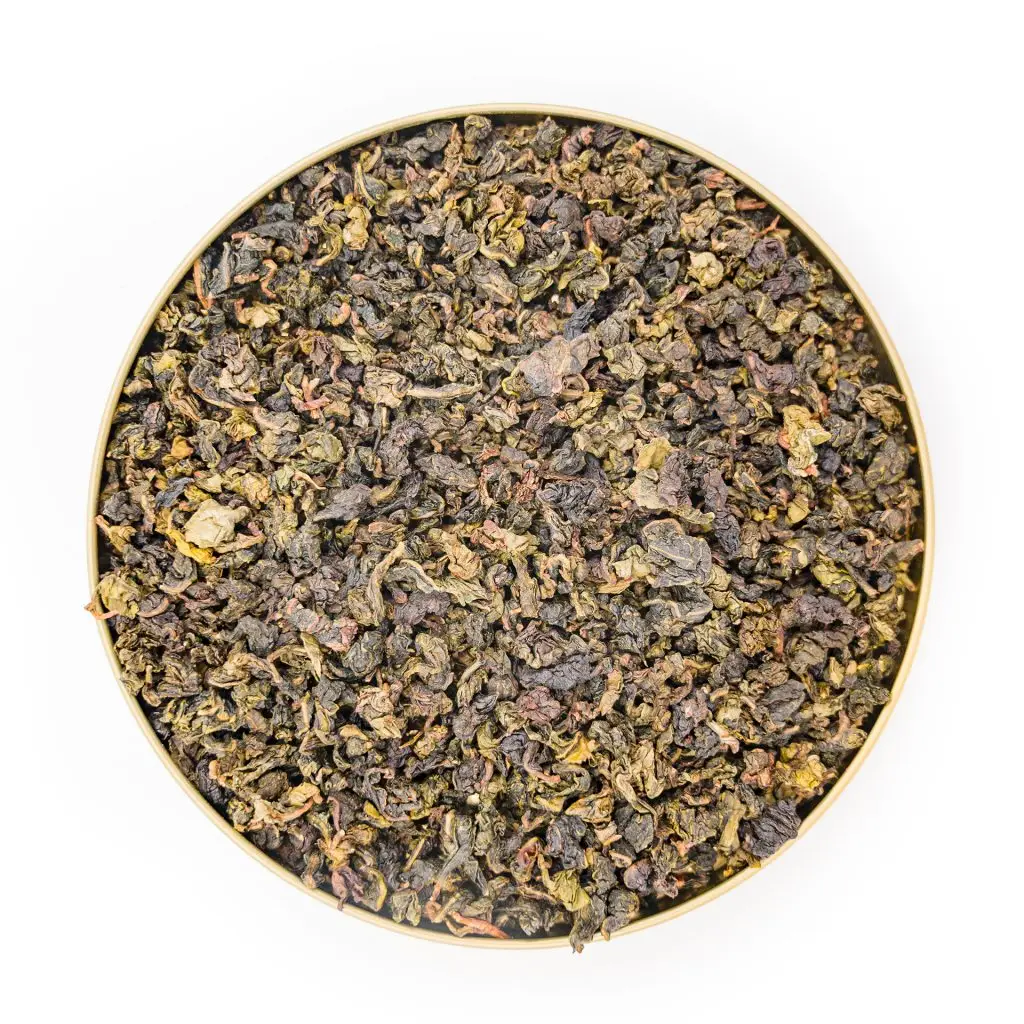
Milk Oolong
23,45 zł -
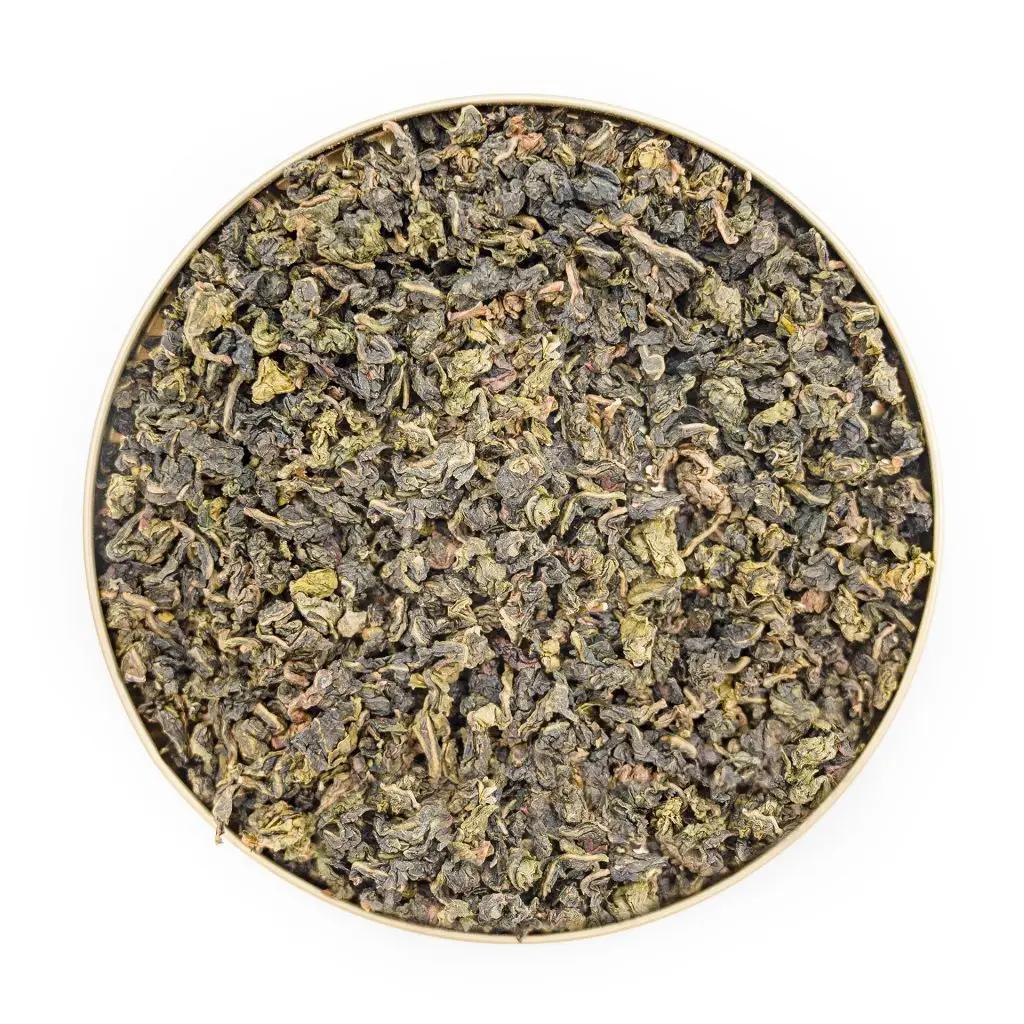
Jasmine Oolong
24,95 zł -
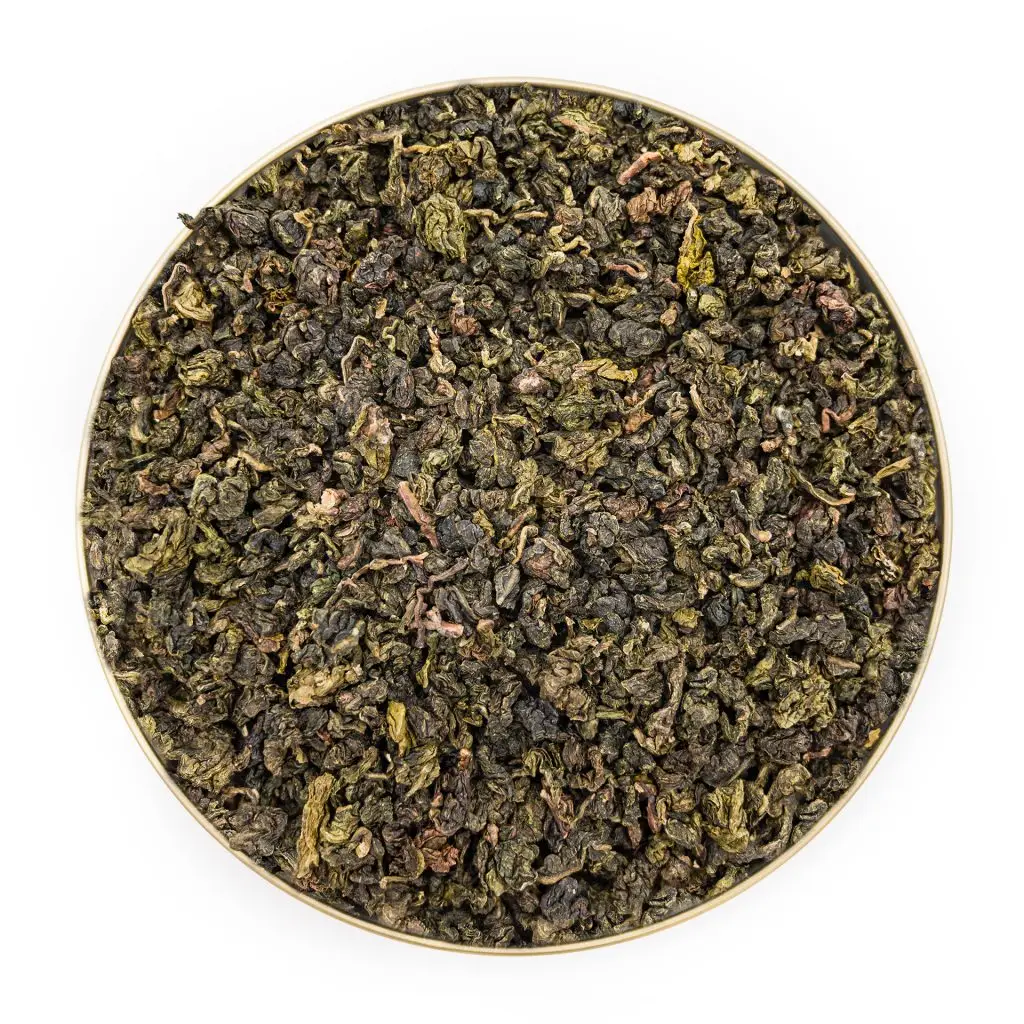
Peach Oolong
23,45 zł -
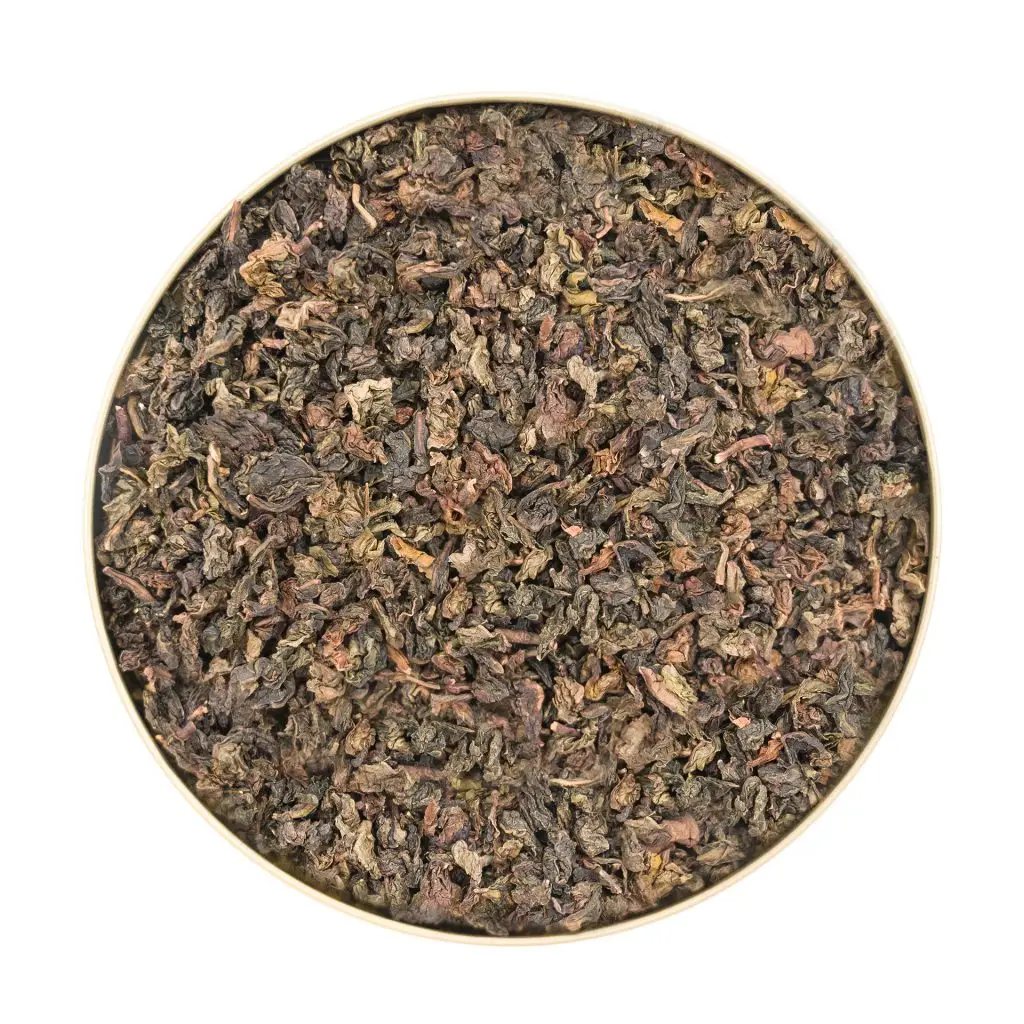
Oolong
15,95 zł
3. pu-erh tea - support for digestion and metabolism
Properties of red tea is associated with beneficial effects on digestion, so many people reach for it after meals. This infusion supports intestinal function and helps maintain a sense of lightness. Therefore, pu-erh tea often appears in the daily diet of people concerned about digestive comfort and overall well-being.
-
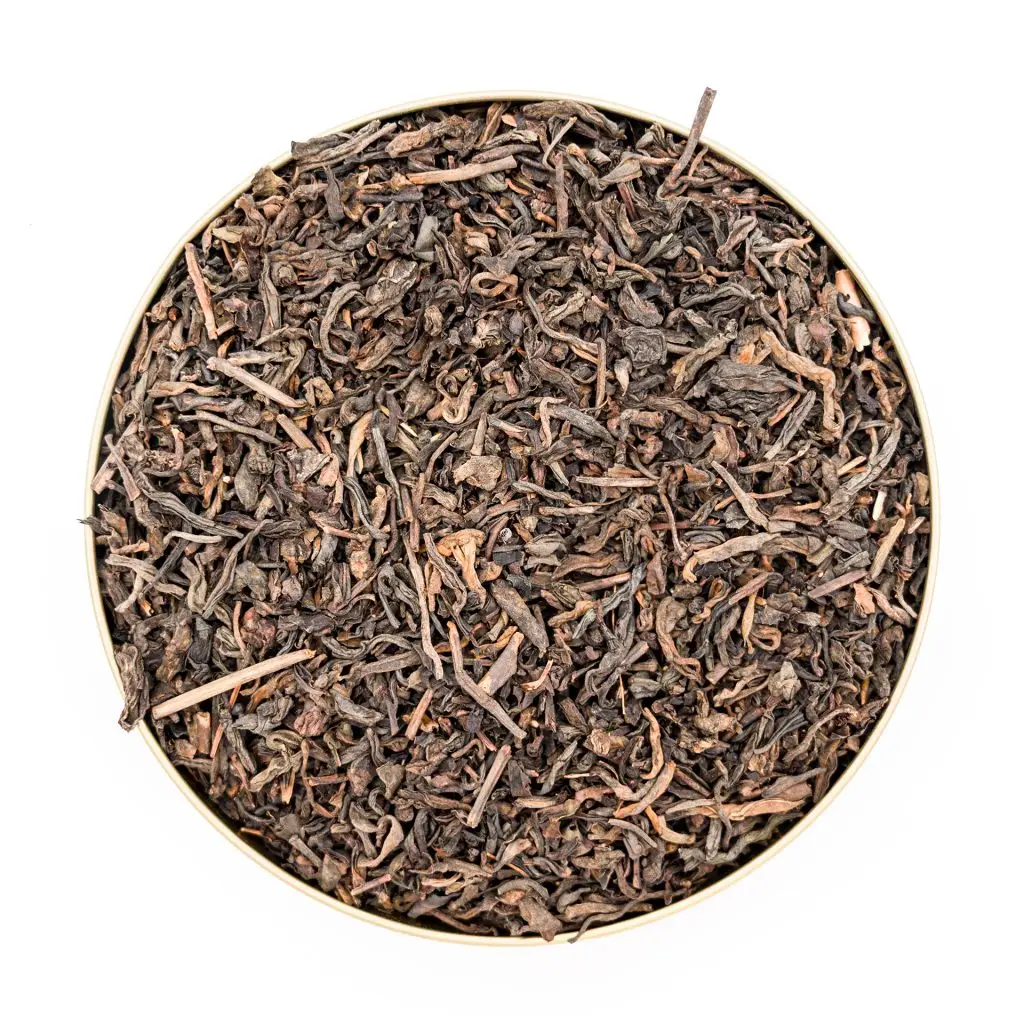
Pu erh
16,45 zł -
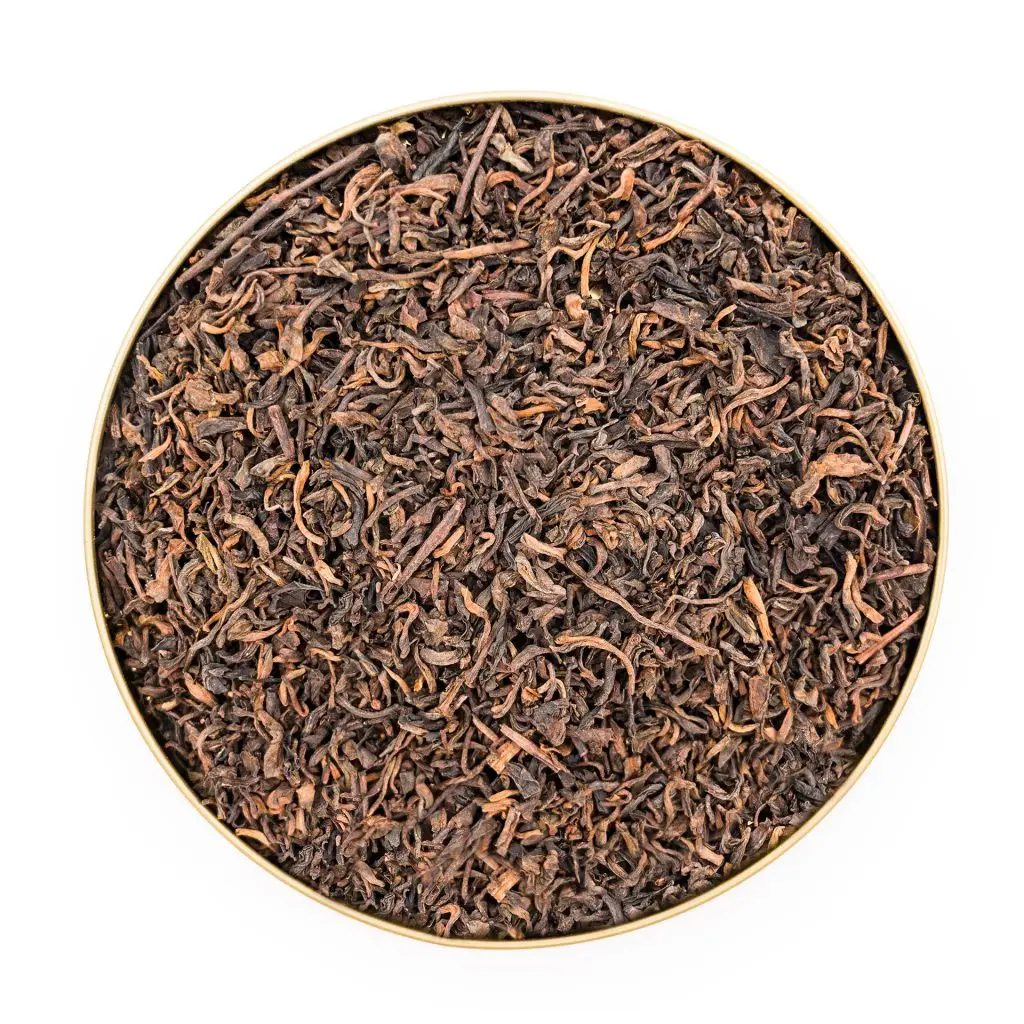
Pu erh Superior
22,95 zł -
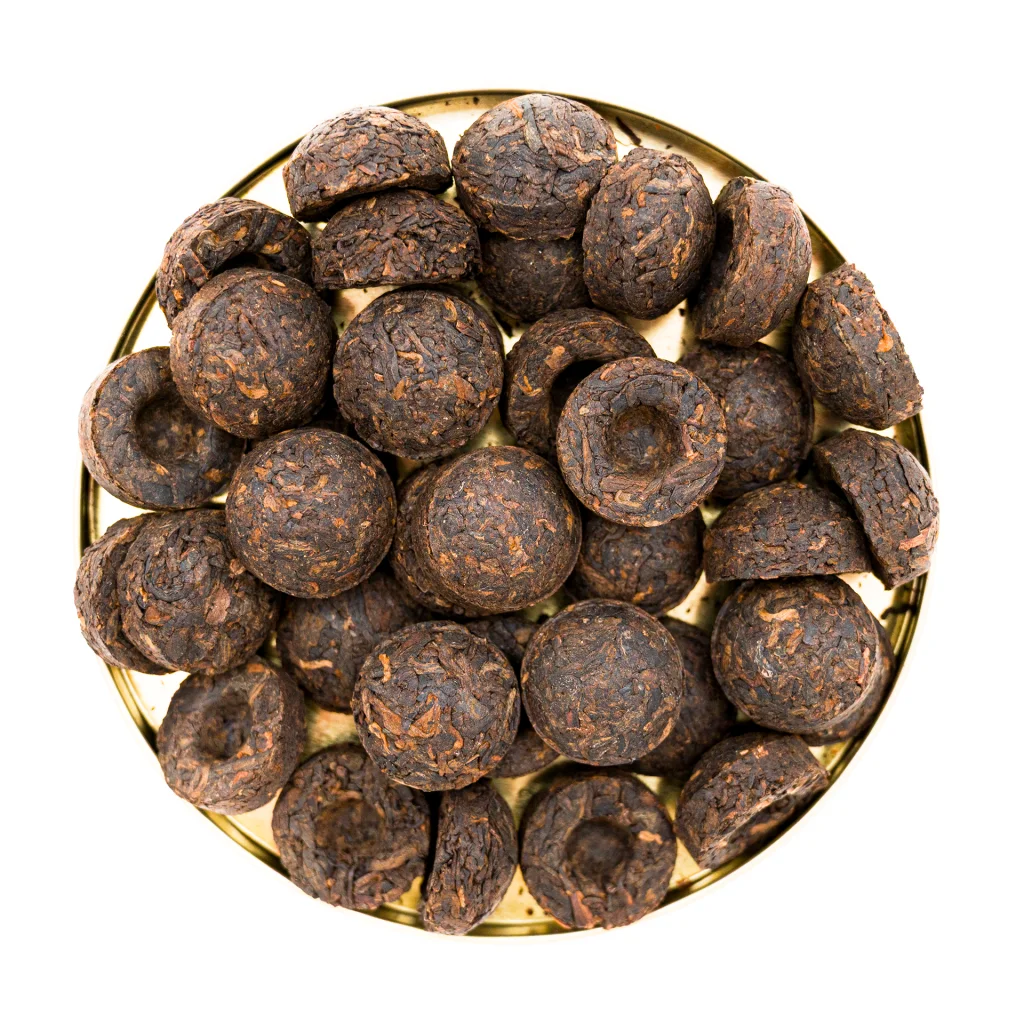
Pu erh Tuocha
24,95 zł
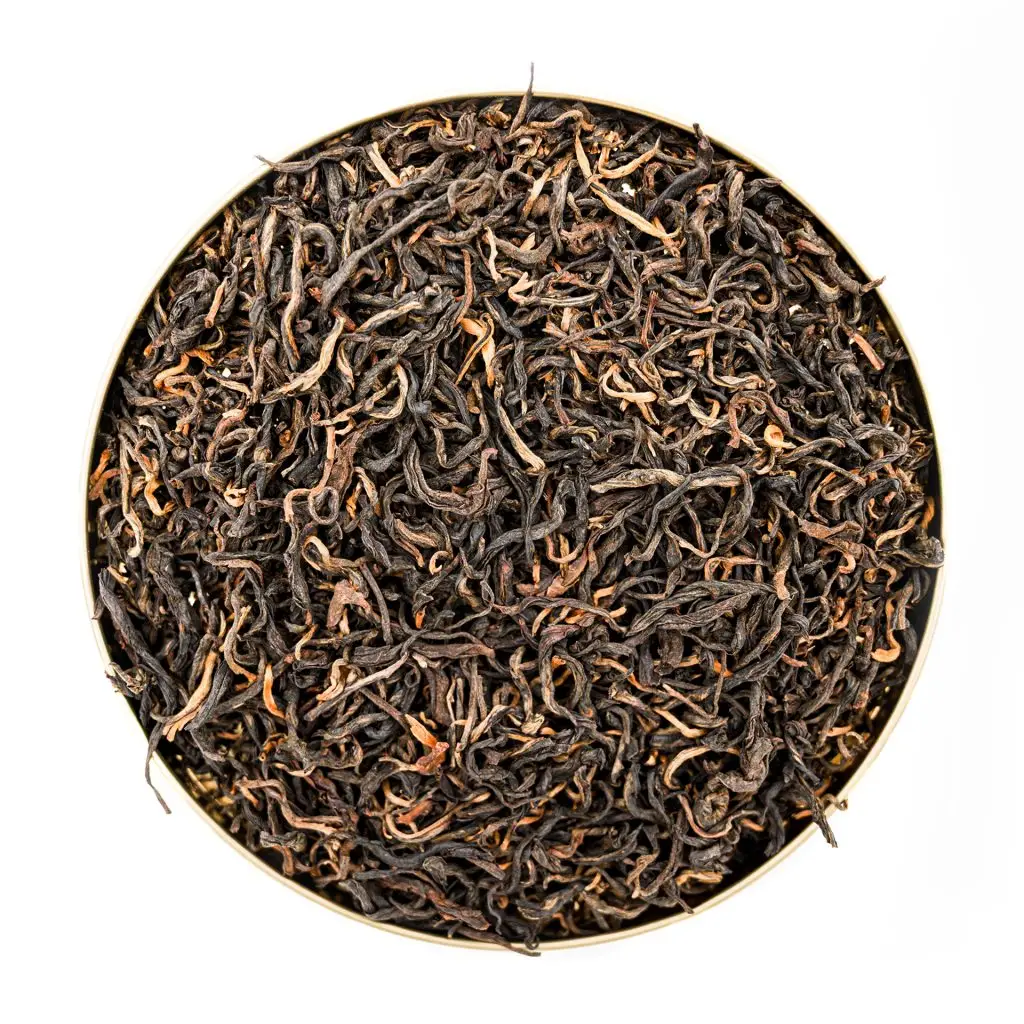
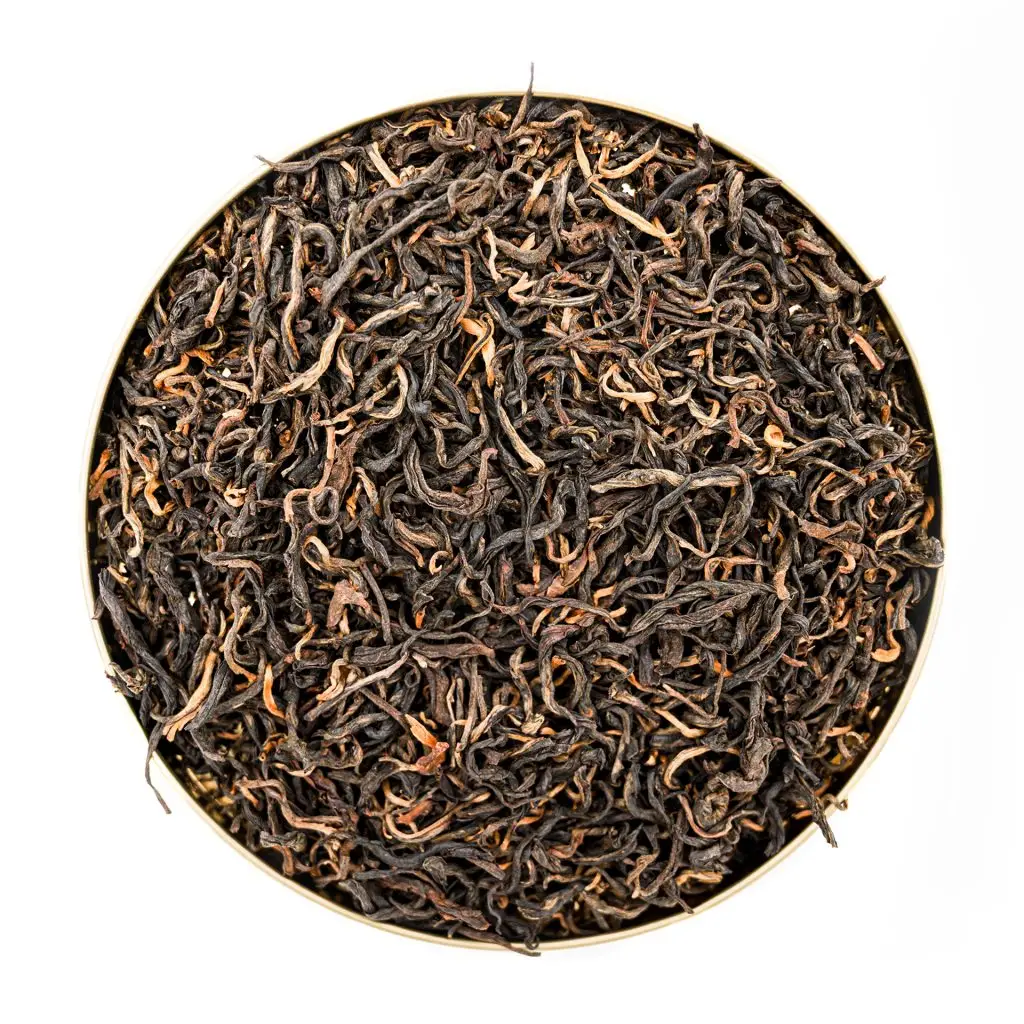
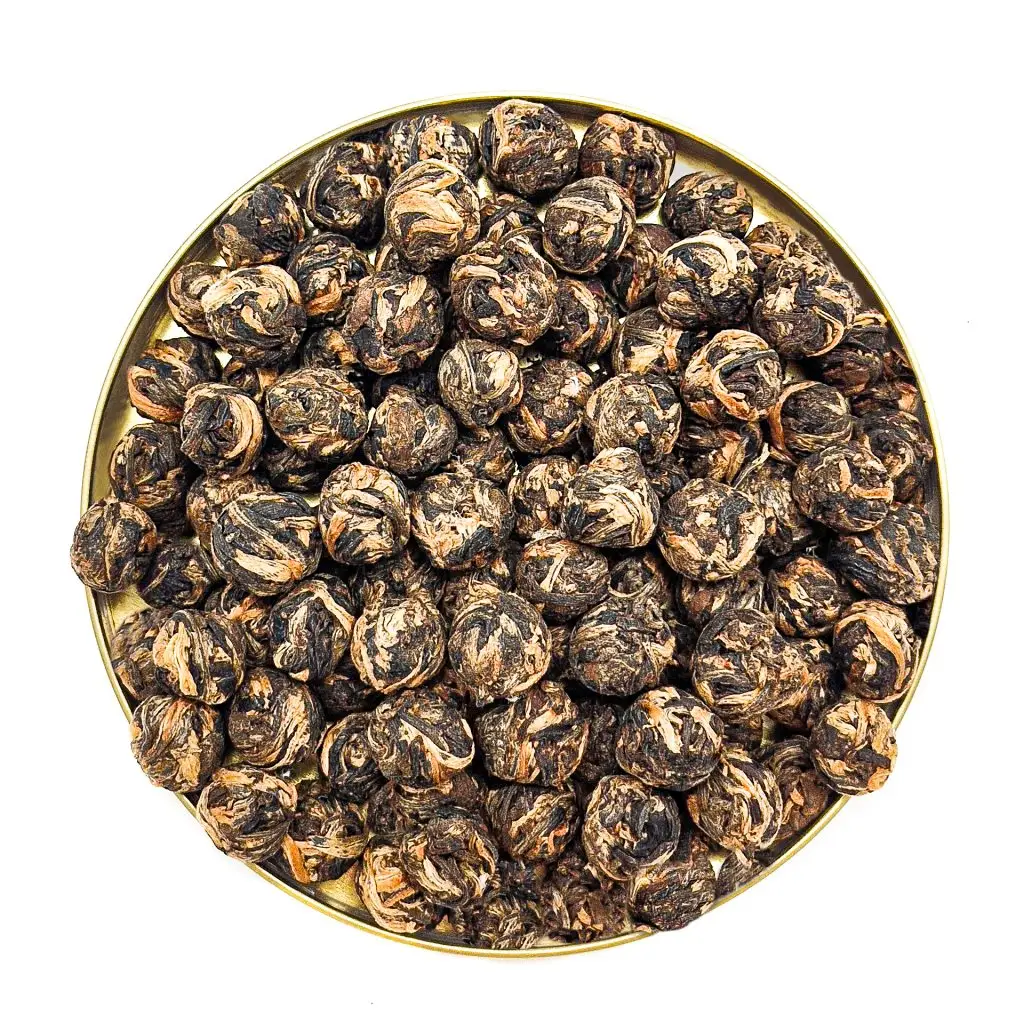
4. black tea - a classic with beneficial effects
Although it is sometimes underestimated, black tea also has much to offer. Properties of black tea is appreciated by those looking for simple support on a daily basis. Theaflavins in it support the cardiovascular system and help maintain concentration. Well-brewed black tea can be a gentler alternative to coffee, especially during the first part of the day.
-
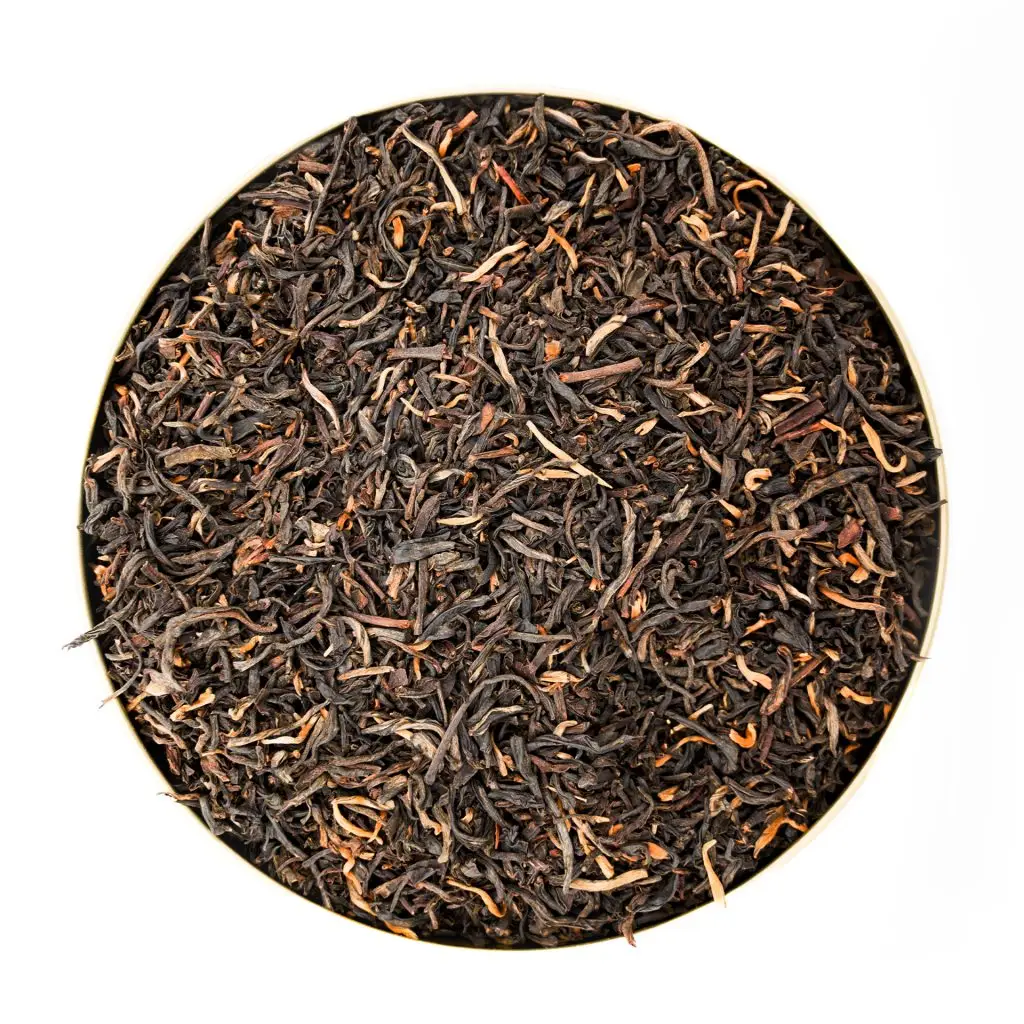
Yunnan Black Premium
19,45 zł -
Golden Yunnan
24,95 zł -
Dragon Pearl Black
Price range: 26,98 zł through 539,50 zł -
China Golden Yunnan
64,95 zł
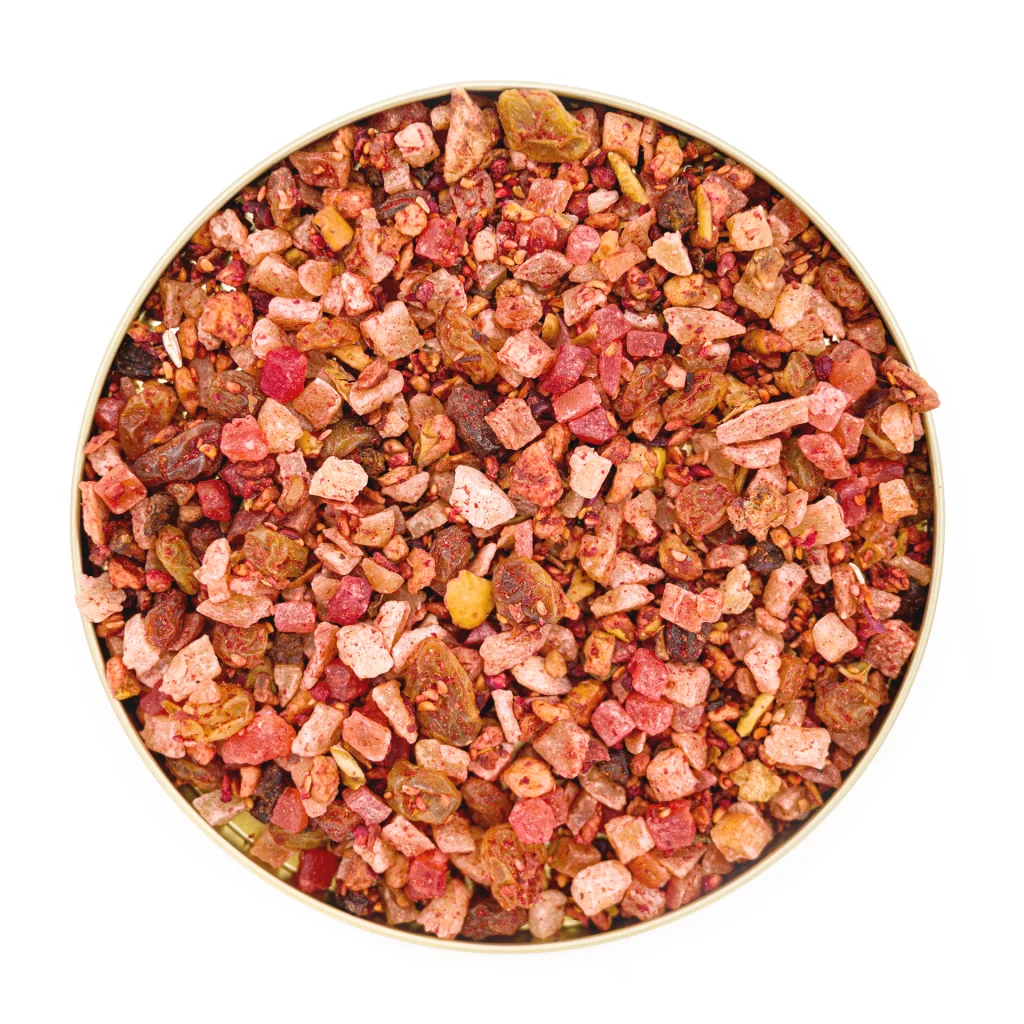
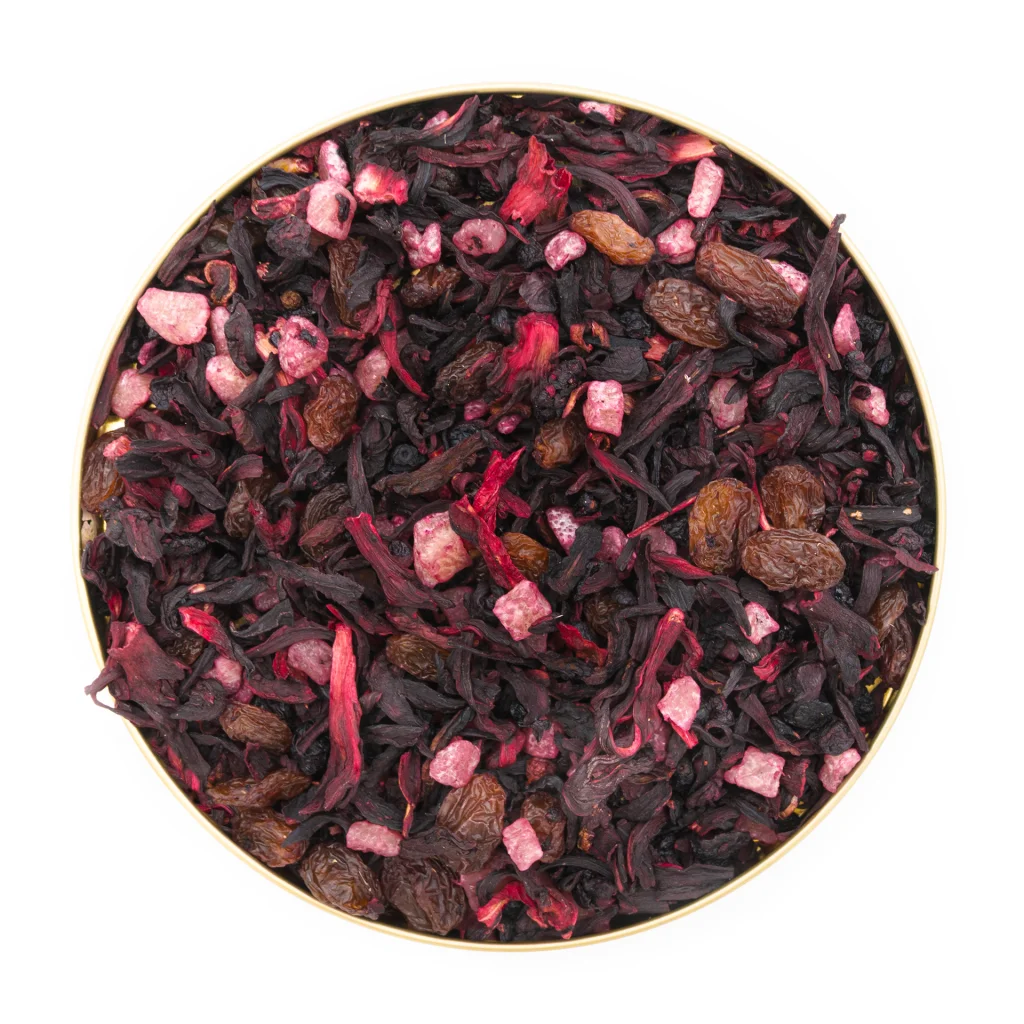
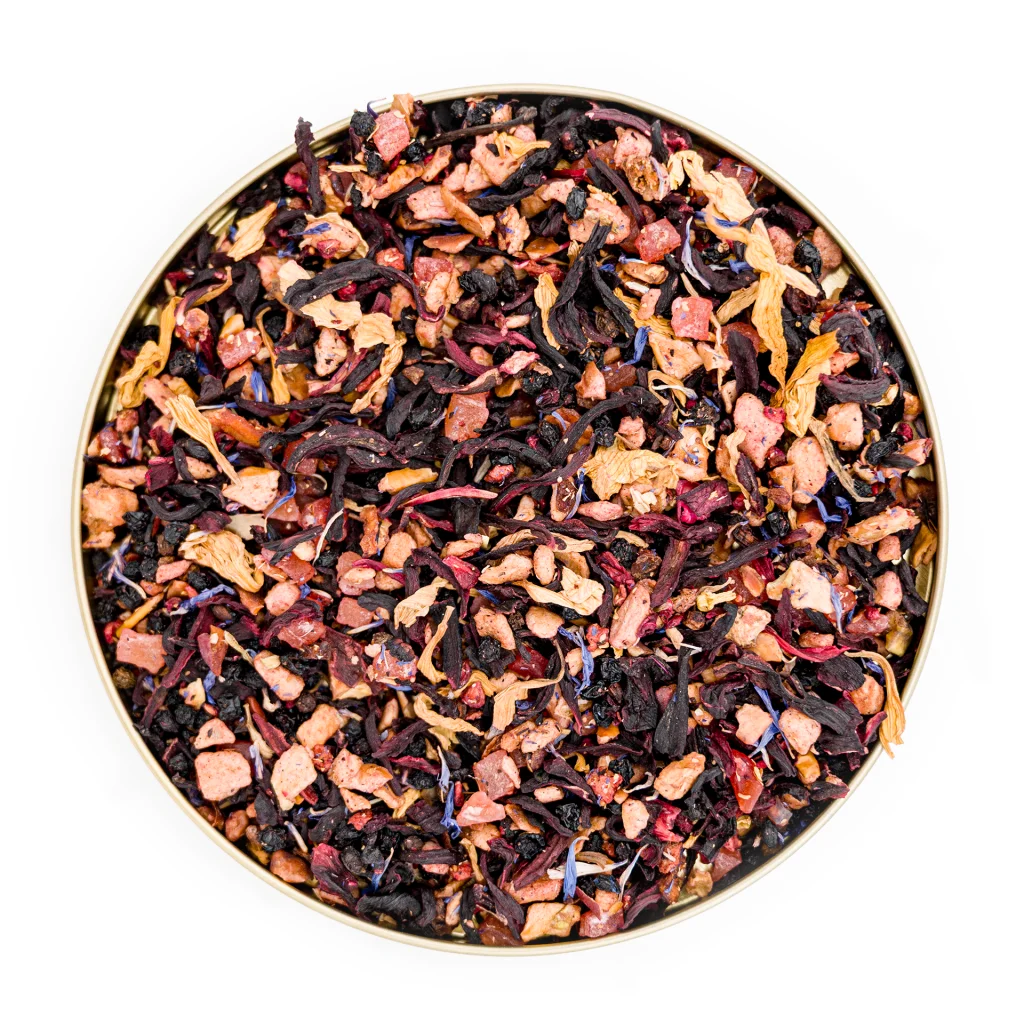
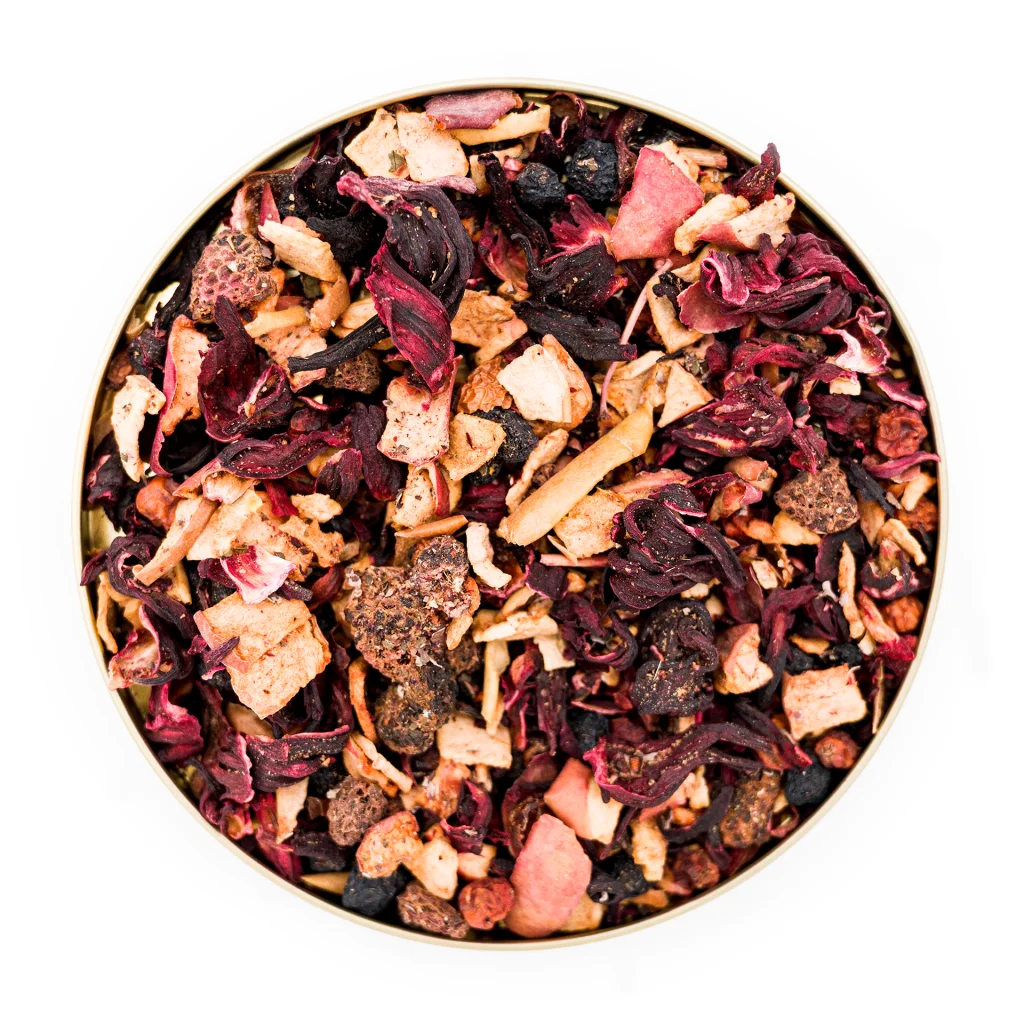
5. fruit tea - a light and natural caffeine-free option
It is worth remembering that fruit tea is not made from the leaves of the tea plant, but from the fruit and flowers. As a result, it is caffeine-free and provides natural plant compounds. It works well for people who want to drink tea in the evening or are looking for a mild infusion for everyday use.
6. herbal tea - natural support for the body
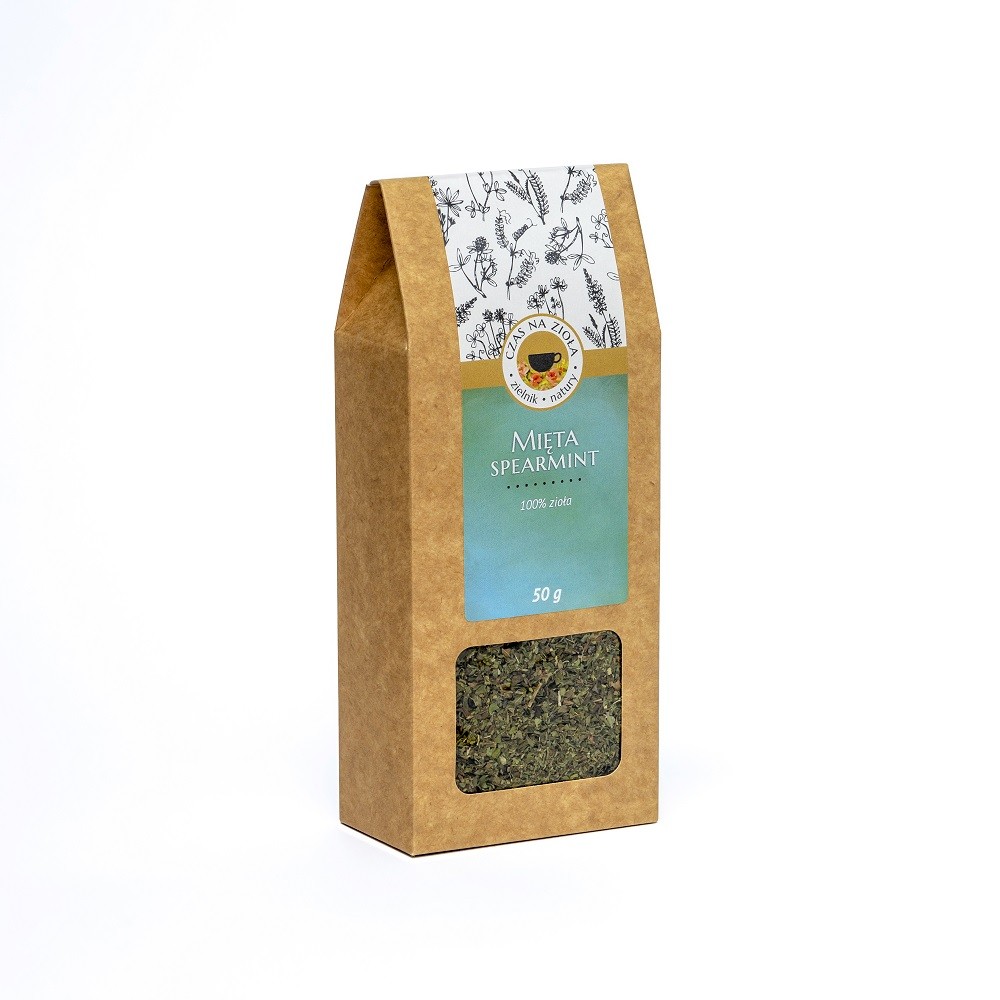
The ranking cannot miss herbal teas, which many people consider to be among the healthiest. Infusions of chamomile, lemon balm or mint promote calmness, digestion and overall balance of the body. The herbs do not contain caffeine, so they work well for regular daily drinking.
-
Spearmint
9,90 zł -
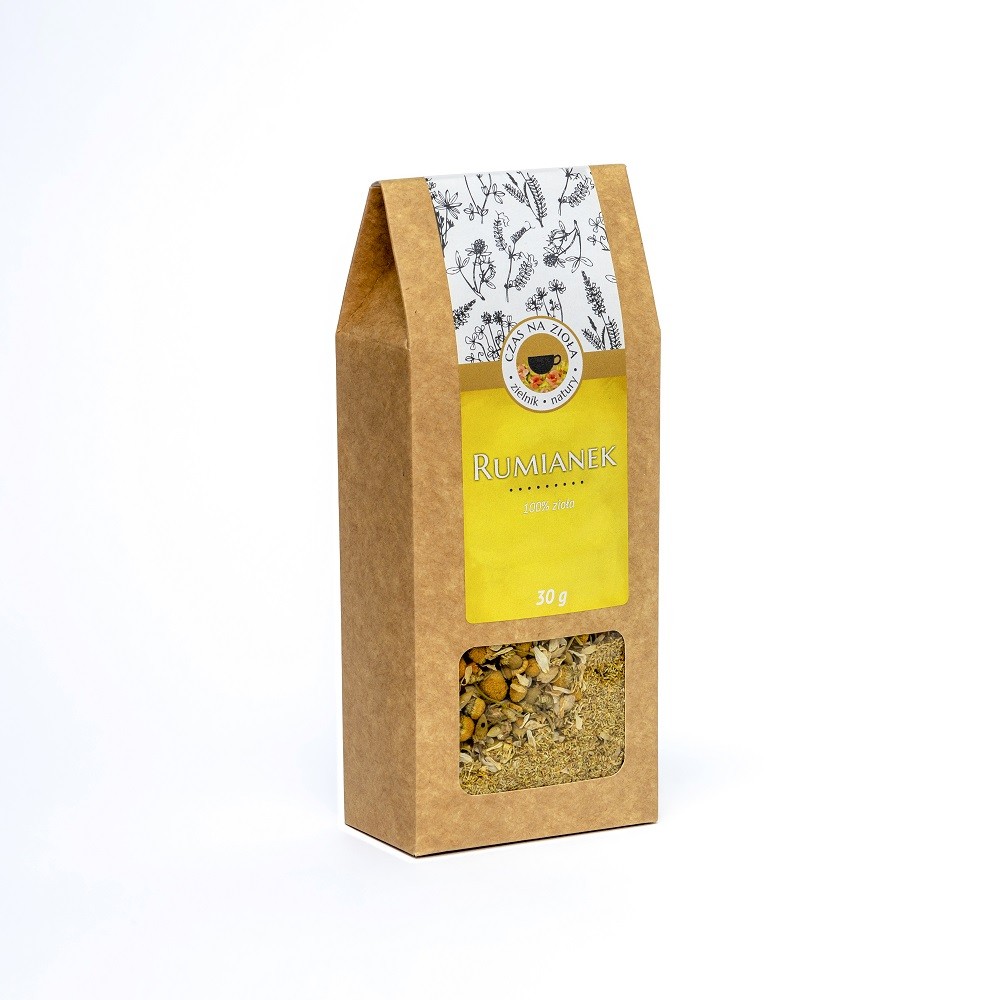
Chamomile
9,90 zł -
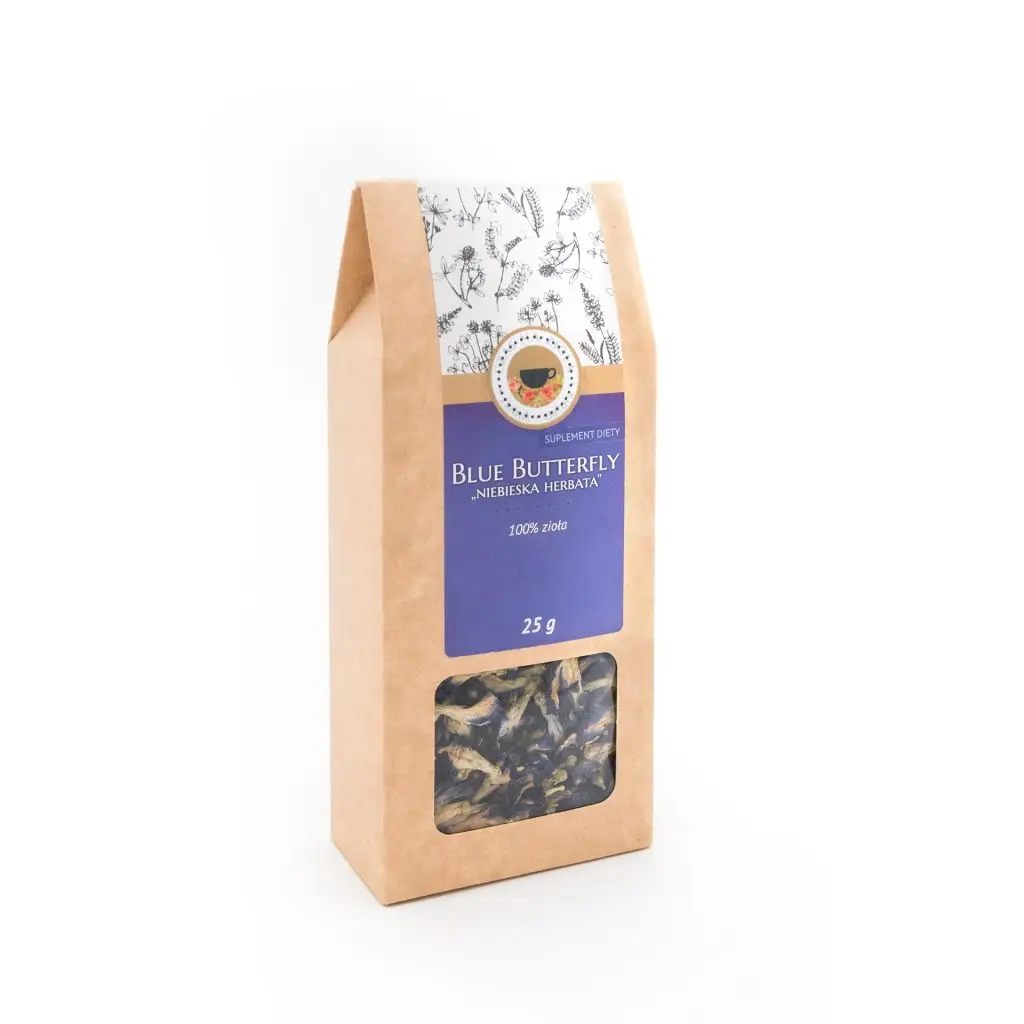
Blue Butterfly
26,90 zł -
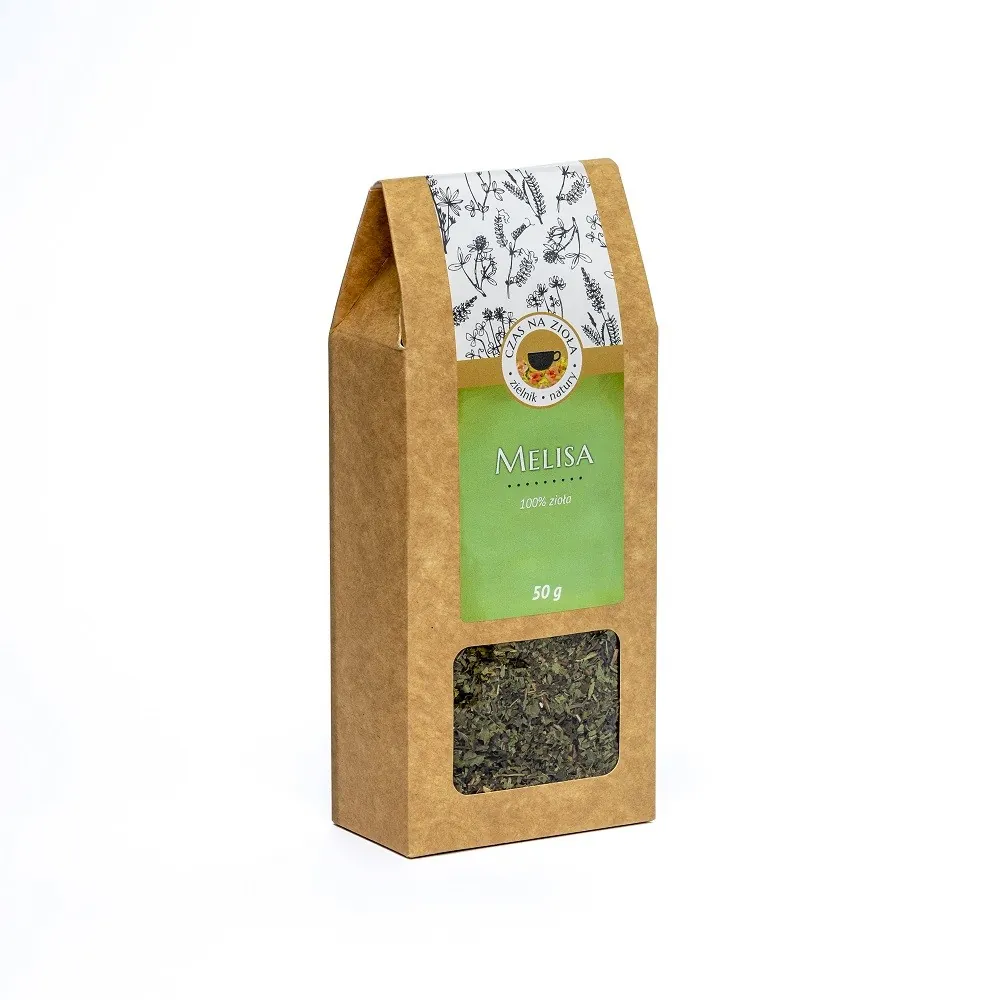
Melissa
9,90 zł
Why do different teas serve different people?
It is worth remembering that not everyone is served by the same type of tea, as each body has different needs and reacts differently to specific ingredients. For some, infusions rich in antioxidants will be the best choice, for others, teas that support digestion or provide mild stimulation without excess caffeine. Therefore, instead of looking for a single answer to the question of which tea is healthiest, it is better to learn about different types of teas and consciously adapt them to their own lifestyles.
What teas should you avoid if you care about your health?
If your goal is to choose truly valuable infusions, avoid low-quality teas in bags, which contain fine dust and lose most of their active ingredients. Blends heavily flavored with artificial additives and teas with lots of sugar and syrups can also be unhelpful. Natural tea with a simple composition remains the best choice.
Choose the healthiest tea from the Time for Tea store
Now that you know which tea is the healthiest and how the different infusions differ, you can make an informed choice.
If you depend on proven products, choose a trusted tea store, which offers leaf teas and cares about the quality of the raw material. The right origin and proper storage have a huge impact on the properties of the brew.
Check out the offer of Czas Na Herbatę store, explore carefully selected teas from different corners of the world and choose the one that best suits your needs. Reach for quality, taste and natural body support in one cup!
FAQ – frequently asked questions
What kind of tea is the healthiest?
Green tea is most often pointed to for its high antioxidant content and mild effects.
What herbs are the healthiest to drink daily?
Chamomile, mint and lemon balm are often chosen for daily drinking, which have a gentle effect and support the body's balance.
Check also
Jaka herbata na uspokojenie? 5 porad od Czas na Herbatę
Po wyczerpującym dniu odruchowo sięgamy po ciepły kubek. Nie każdy napar wycisza jednak tak samo. To, jaka herbata na uspokojenie zadziała akurat u Ciebie, zależy więc od objawu. Sprawdź, które zioła koją nerwy najskuteczniej i jak je pić, żeby poczuć różnicę. Najważniejsze informacje z artykułu Jak stres odbija się na organizmie? Krótkotrwałe napięcie mobilizuje organizm […]

Jak parzyć herbatę czerwoną Pu-Erh? Wszystko co musisz wiedzieć
Pu-erh potrafi zaskoczyć przy pierwszym podejściu. Zaparzony zbyt długo robi się gorzki, a zalany zbyt chłodną wodą nie oddaje głębi smaku. Wiedza o tym, jak parzyć czerwoną herbatę pu-erh, zmienia więc wszystko. Sprawdź, jaką temperaturę wybrać, ile suszu odmierzyć i dlaczego te same liście możesz wykorzystać kilka razy. Najważniejsze informacje z artykułu Czym właściwie jest […]
Garbniki w herbacie. Czym są i jak wpływają na smak?
Cierpki posmak, który zostaje na języku po mocno zaparzonym naparze, ma swoje źródło w konkretnych związkach chemicznych. Odpowiadają za niego garbniki w herbacie, choć ich rola sięga dalej niż same doznania smakowe. Sprawdź, skąd się biorą, dlaczego jedne liście dają napar ściągający, a inne łagodny, oraz jak parzyć susz, żeby wydobyć z niego to, co […]