Green tea and blood pressure. What effect does it have on the cardiovascular system?

Share
Green tea has been recognized for centuries as a drink of health and longevity. It is appreciated for its delicate flavor, abundance of antioxidants and body-supporting properties, and for years has also raised questions about its effects on the cardiovascular system. Does green tea lower blood pressure, or does it raise it? And can people with hypertension drink it without worry? Let's take a look at the facts.
Key information from the article:
- Green tea supports the cardiovascular system and may mildly lower blood pressure, especially in people with hypertension.
- The catechins and polyphenols it contains improve vascular elasticity and protect the heart.
- Although it contains caffeine, it does not cause a sustained increase in blood pressure, and its effect is mild.
- The best results come from regularly drinking 2-3 cups a day of a good quality brew.
Dodaj do koszyka
-
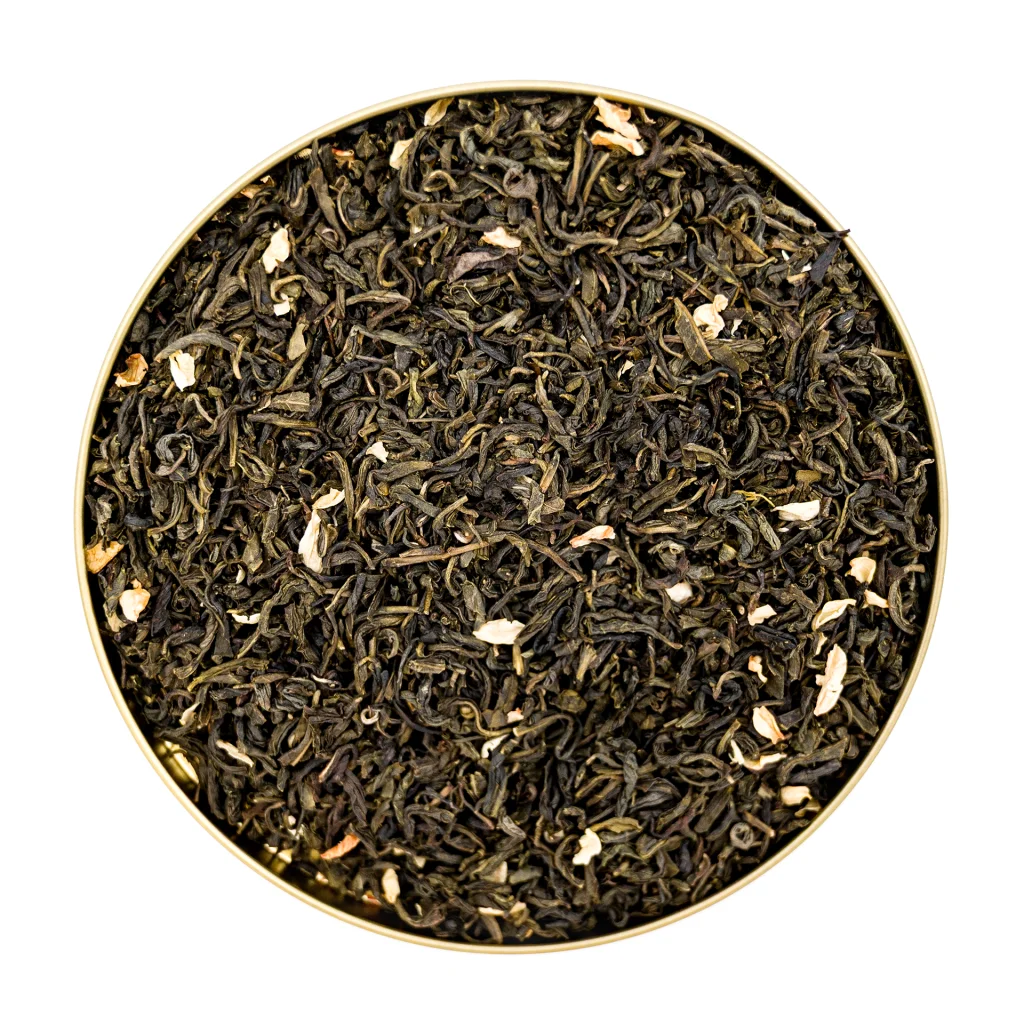
Jasmine
16,45 zł -
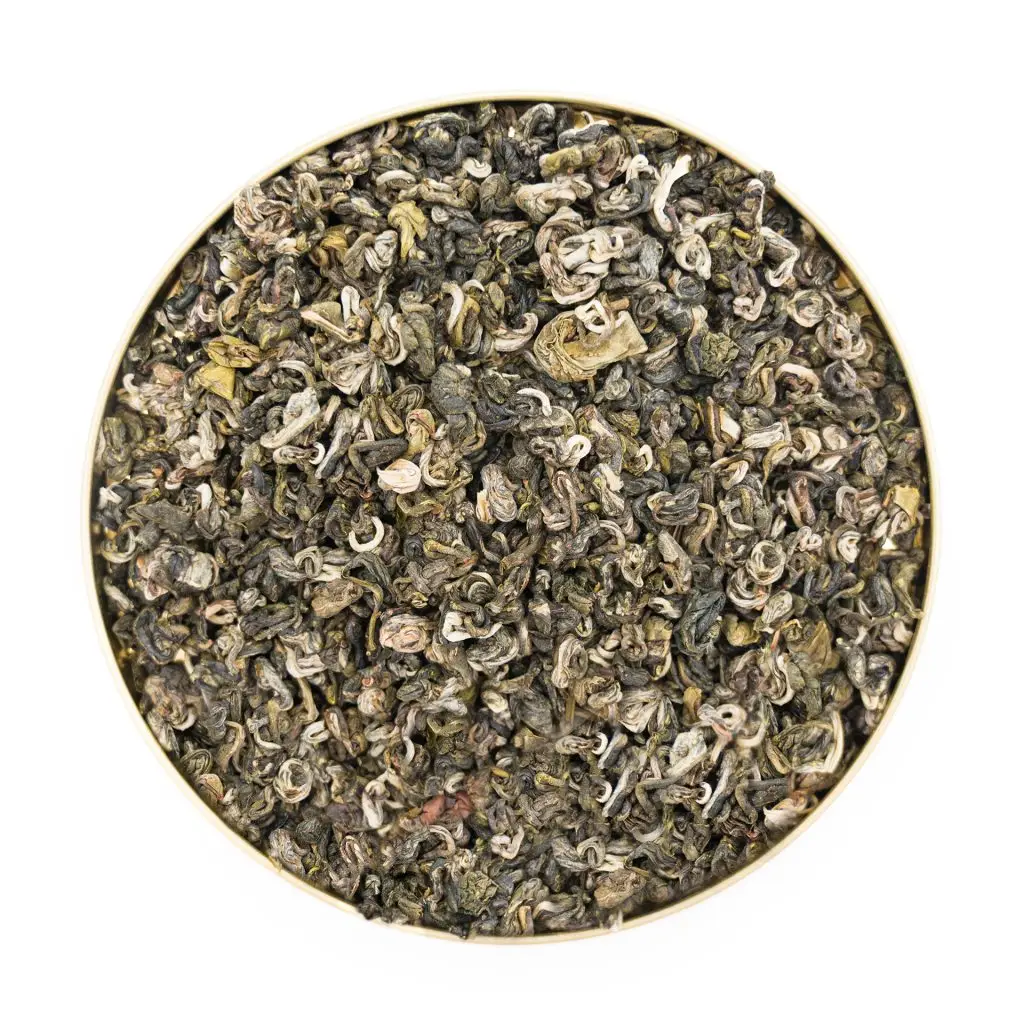
Yun Ming Green
31,95 zł -
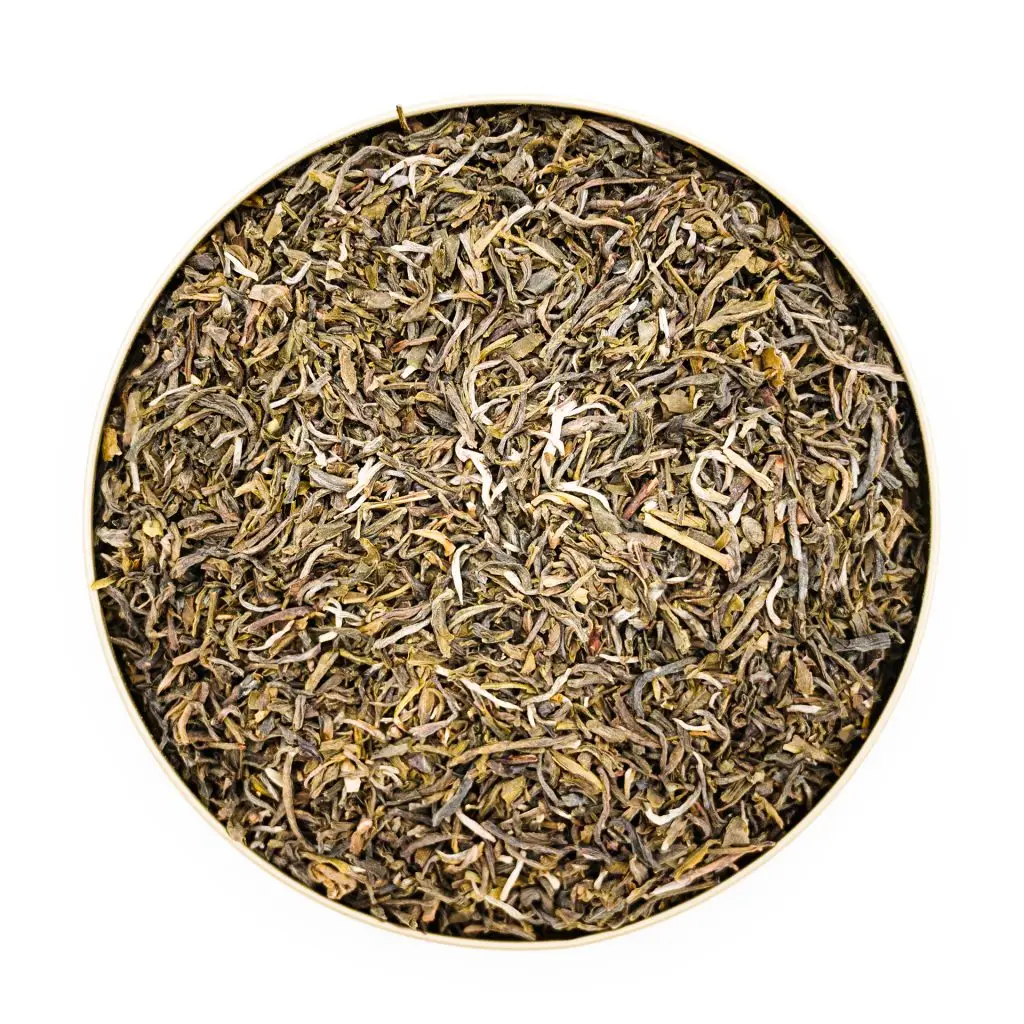
China Green Yunnan
19,95 zł -
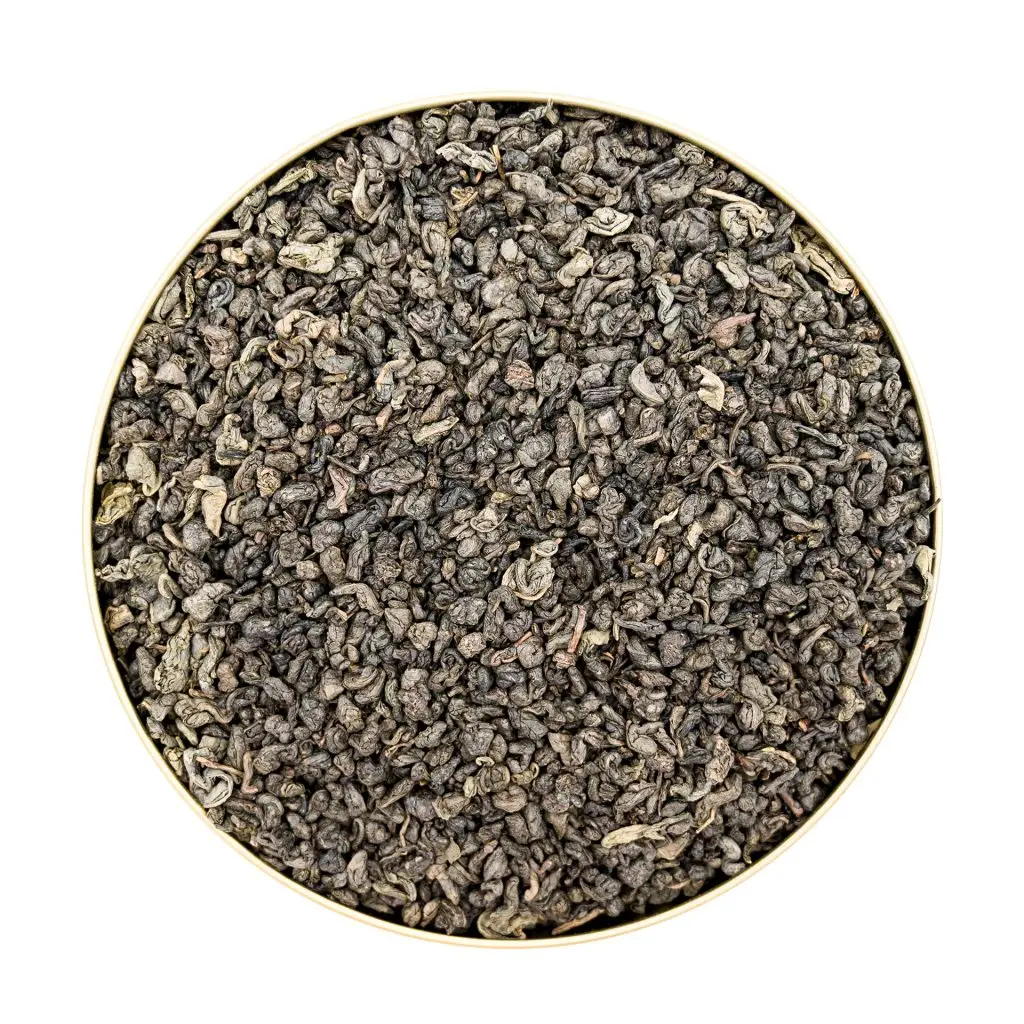
China Gunpowder Super
14,45 zł
Green tea and blood pressure - what does the research say?
Green tea contains numerous bioactive compounds, including catechins, powerful antioxidants that promote the elasticity of blood vessels and help regulate blood pressure. Studies confirm that regular drinking of green tea can lower blood pressure, especially in people with elevated levels.
This effect is mild, but long-term. Green tea does not act as a drug, but supports the body's natural balance. Drinking one or two cups a day can produce noticeable results after a few weeks.
Does green tea lower blood pressure?
In many cases, green tea lowers blood pressure, thanks to its flavonoids and polyphenols, which improve circulation and support heart function. Regular consumption of this brew can promote lower systolic and diastolic (diastolic) blood pressure.
In addition, the antioxidants it contains help reduce oxidative stress, which has a significant impact on the development of hypertension. Combined with a healthy diet and regular exercise, drinking green tea can be a simple way to support heart function every day.
Does green tea raise blood pressure?
Although green tea contains caffeine (theine), the amount is much lower than in coffee. Therefore, in most people it does not cause a sharp rise in blood pressure. Drinking a cup of the brew can gently stimulate the body, improve concentration and give energy, but it does not lead to a long-term increase in blood pressure.
However, it is worth remembering that the reaction to caffeine is individual. People who are particularly sensitive may experience a temporary increase in blood pressure after consuming more green tea. Therefore, it is best to watch your body and avoid drinking the brew just before bedtime or in very large quantities.

Green tea and the cardiovascular system - how does it support the heart?
Green tea is also a natural support for the entire cardiovascular system. The catechins it contains help:
- Improve the elasticity of blood vessels,
- regulate cholesterol levels,
- Support proper blood flow,
- Protect cells from oxidative stress.
Regularly drinking green tea can therefore bring many benefits, not only for blood pressure, but also for the condition of the heart and blood vessels. This is one of the reasons why green tea is considered part of a healthy lifestyle.
How to drink green tea to enjoy its effects?
The best results come from drinking green tea regularly, but in moderation. 2-3 cups a day are completely sufficient. It is worth reaching for high-quality infusions, preferably from the first harvest, which contain the most valuable components.
A great choice is also green tea with additives, such as with jasmine, lemon, ginger or lemongrass. Such compositions not only enrich the taste, but can also enhance the health-promoting effects of the brew.
When might green tea not be advisable?
Although green tea is considered a safe drink, it's a good idea to exercise moderation, especially when dealing with low blood pressure problems. In some people, it can slightly lower its level, leading to a feeling of weakness.
People taking medication for high blood pressure or having heart problems should consult a doctor about drinking green tea regularly. However, this is not a contraindication, but rather a recommendation for caution and observation of the body.
Green tea and blood pressure - drink mindfully and take care of your cardiovascular system
Green tea is not a miracle cure, but it can realistically support cardiovascular health. Drinking it regularly helps keep blood pressure in check, supports the heart and improves overall well-being. It's worth incorporating it into your routine as a form of health maintenance.
Visit Czas Na Herbatę and choose the green tea that best fits into your daily rhythm. Feel the difference in taste and how you feel.
Dodaj do koszyka
-
Jasmine
16,45 zł -
Yun Ming Green
31,95 zł -
China Green Yunnan
19,95 zł -
China Gunpowder Super
14,45 zł
FAQ – frequently asked questions
How to brew green tea to lower blood pressure?
Green tea is best steeped at 70-80°C for 2-3 minutes. This ensures that it retains the most antioxidants and does not become bitter.
Is it safe to drink green tea every day?
Yes, drinking 2-3 cups a day is perfectly safe and can bring health benefits. However, it is advisable to avoid drinking just before bedtime due to the caffeine content.
What teas to avoid with high blood pressure?
If you have high blood pressure, it's a good idea to limit drinks with a lot of caffeine - strong black tea and coffee. It is better to choose milder infusions, such as green or herbal tea.
Check also

Jaka herbata na uspokojenie? 5 porad od Czas na Herbatę
Po wyczerpującym dniu odruchowo sięgamy po ciepły kubek. Nie każdy napar wycisza jednak tak samo. To, jaka herbata na uspokojenie zadziała akurat u Ciebie, zależy więc od objawu. Sprawdź, które zioła koją nerwy najskuteczniej i jak je pić, żeby poczuć różnicę. Najważniejsze informacje z artykułu Jak stres odbija się na organizmie? Krótkotrwałe napięcie mobilizuje organizm […]

Jak parzyć herbatę czerwoną Pu-Erh? Wszystko co musisz wiedzieć
Pu-erh potrafi zaskoczyć przy pierwszym podejściu. Zaparzony zbyt długo robi się gorzki, a zalany zbyt chłodną wodą nie oddaje głębi smaku. Wiedza o tym, jak parzyć czerwoną herbatę pu-erh, zmienia więc wszystko. Sprawdź, jaką temperaturę wybrać, ile suszu odmierzyć i dlaczego te same liście możesz wykorzystać kilka razy. Najważniejsze informacje z artykułu Czym właściwie jest […]

Garbniki w herbacie. Czym są i jak wpływają na smak?
Cierpki posmak, który zostaje na języku po mocno zaparzonym naparze, ma swoje źródło w konkretnych związkach chemicznych. Odpowiadają za niego garbniki w herbacie, choć ich rola sięga dalej niż same doznania smakowe. Sprawdź, skąd się biorą, dlaczego jedne liście dają napar ściągający, a inne łagodny, oraz jak parzyć susz, żeby wydobyć z niego to, co […]