Tea with ginger
Filters
Ginger - basic information
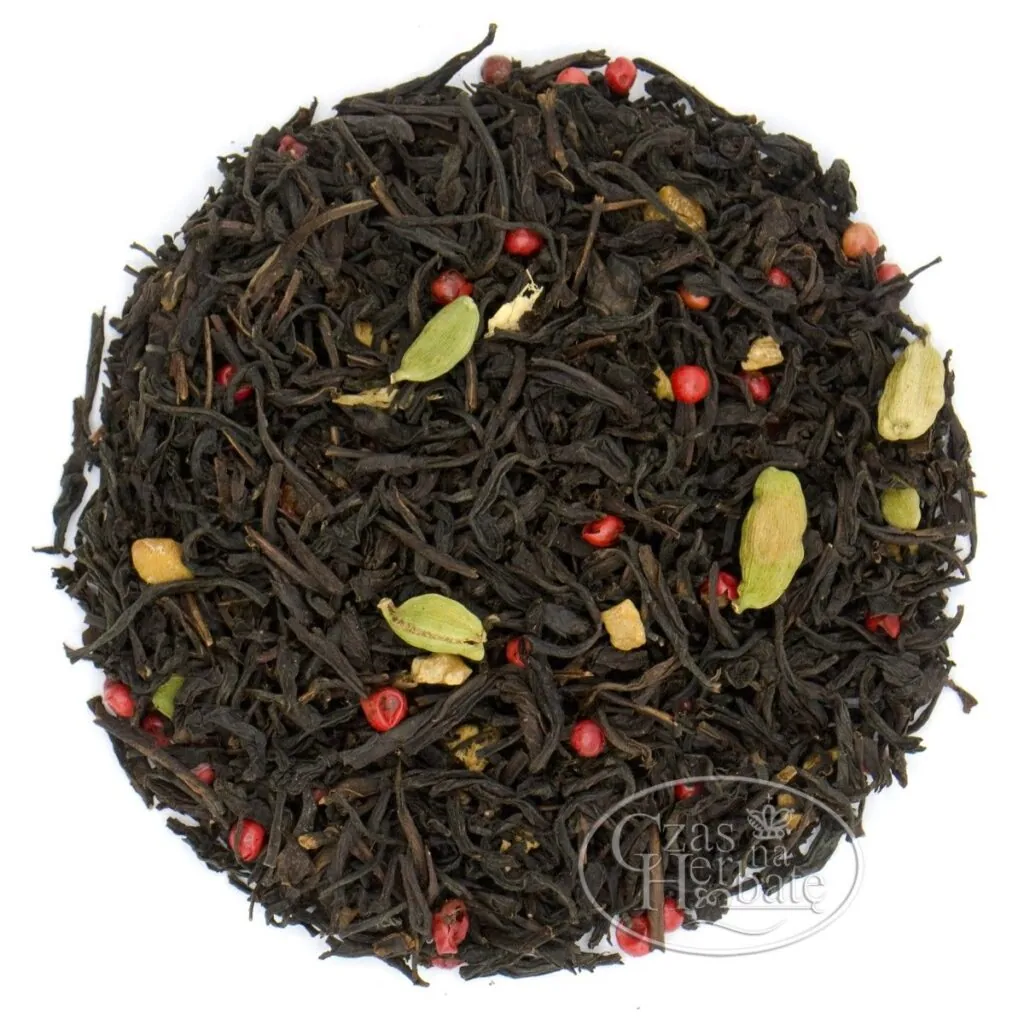
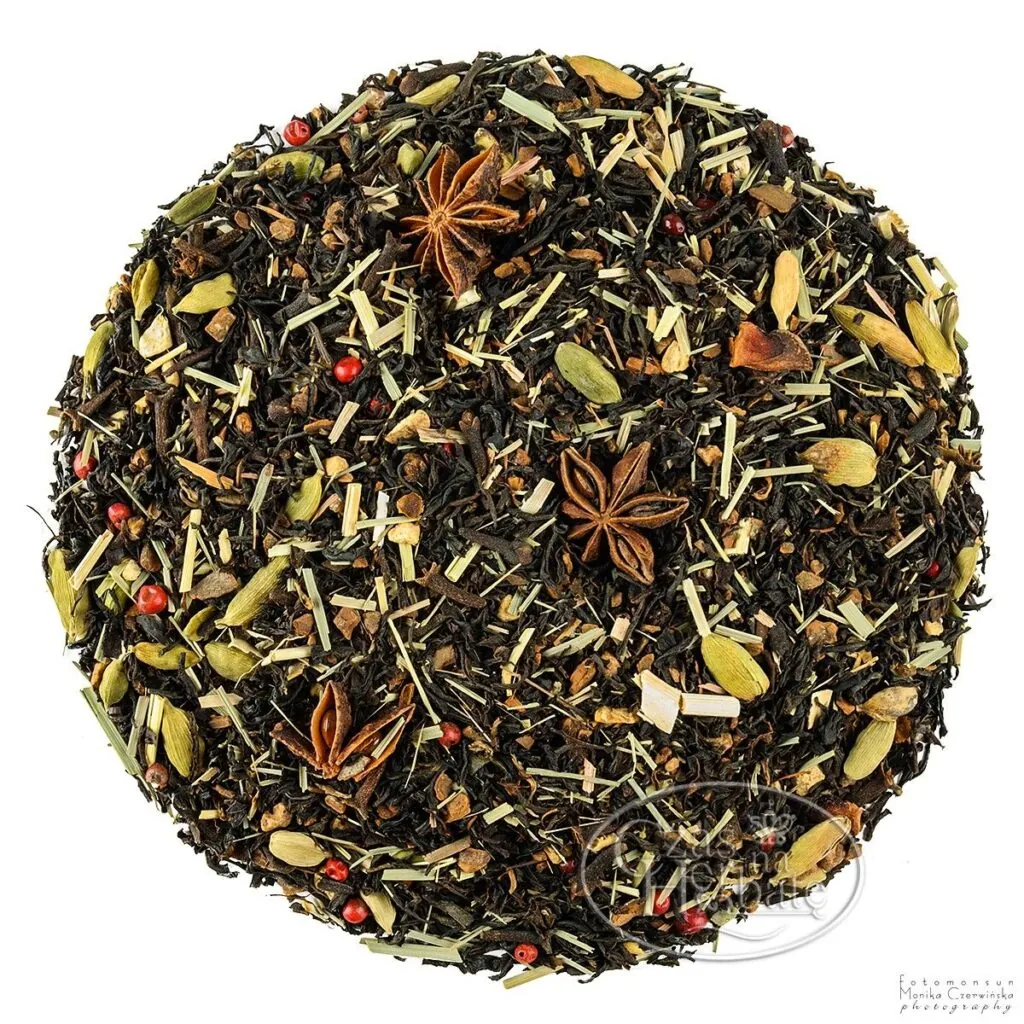
Ginger is a spice popularly used in cooking, as well as in natural medicine. Ginger roots are rich in many valuable components, such as carbohydrates, vitamins C, E, A, K, vitamin B1 and B2, folic acid. There are minerals in ginger, for example, calcium, phosphorus, potassium and iron. It is worth mentioning that ginger tuber is a valuable source of essential oils and resins, which show antibacterial, antiviral, anti-inflammatory and expectorant effects. An infusion of ginger soothes coughs, helps get rid of mucus, and inhibits bronchial spasms. It also exhibits analgesic and antipyretic effects, so ginger tea is recommended for upper respiratory tract catarrh and inflammation. Ginger tea, especially with the addition of cinnamon, honey, lemon, and turmeric, has strong warming, soporific and antipyretic properties.
Ginger - medicinal and health-promoting properties
Ginger for tea is an effective and inexpensive remedy for many ailments. The multiple medicinal properties of ginger make it one of the most common additions to tea.
- Ginger strengthens the immune system - Ginger improves blood circulation and oxygenation of cells.
- Ginger helpful in digestive problems - Ginger tea stimulates the secretion of saliva, gastric juices, helps get rid of excess bile from the duodenum and helps with flatulence.
- Ginger for removing swelling from the body -. This plant has a diuretic effect, so it removes excess water from the body.
- Ginger for colds and minor infections - Ginger root has a warming and anti-inflammatory effect, so drinking tea with ginger will bring us relief from inflammation.
- Ginger for nausea - Increases appetite and prevents vomiting.
- Ginger to increase concentration.
- Ginger for regulating blood pressure.
- Ginger prevents the formation of blood clots - Blood clots can cause stroke and heart attack. Ginger infusion lowers bad cholesterol and protects the cardiovascular system.
Tea with ginger - recipe
An infusion of ginger alone may not taste good to everyone. Therefore, it is worth combining ginger with other ingredients that not only improve the taste of the drink, but also give it additional health properties. There are many recipes for ginger tea. The main ingredient in each recipe is fresh ginger root. A small piece (about 80 grams) is crushed in a mortar or cut into thin slices. Thus prepared, we add the ginger root to a small amount of boiling water and add a tea bag of our choice. Then we boil everything together. If we want to get a strong aroma, then we should boil the infusion for a longer time. We can add our favorite additives to the tea prepared this way.
What additions to ginger tea will be the best? It all depends on our taste preferences. One of the favorites of tea lovers is tea with ginger and lemon. Adding a slice of lemon gives the tea a unique sour taste. Tea with lemon and ginger is sure to appeal to the tastes of many. Yet another original variant is tea with ginger and orange. You can decide whether lemon or orange is better, or you can also combine both additives at the same time. The choice is up to you. You might also be tempted to try tea with ginger and honey. The sweet flavor of honey softens the intense aroma of ginger root and created with it an amazing harmony of taste and aroma.
Ginger - contraindications
It is worth mentioning that tea with ginger and other foods with this spice are not recommended for children under 12 months of age. It is a rather pungent spice that strongly irritates a child's delicate palate and taste buds. The use of ginger is also not safe for those struggling with stomach or duodenal ulcers and those suffering from gastric reflux. The substances in ginger root irritate the mucous membrane of the digestive tract. Yet another group of people who may be harmed by ginger infusion are those with high blood pressure. This is due to the fact that ginger raises blood pressure in the body.
What is ginger tea?
It is a special composition of teas with the addition of ginger spice.
Do you have a large selection of ginger teas in your store?
Yes, we have quite a large selection of such teas, in different variations and compositions.
What properties does ginger tea have?
Depends on the composition, in general it shows a lot of health-promoting properties, supports the immune system, digestive system also has a warming effect.
What is ginger?
It is a cultivated plant whose rhizome is edible and known as a spice.
Do you recommend such a tea for colds?
Yes as much as possible, one of the most valuable properties of ginger infusions is its warming property, which provides relief from the common cold.