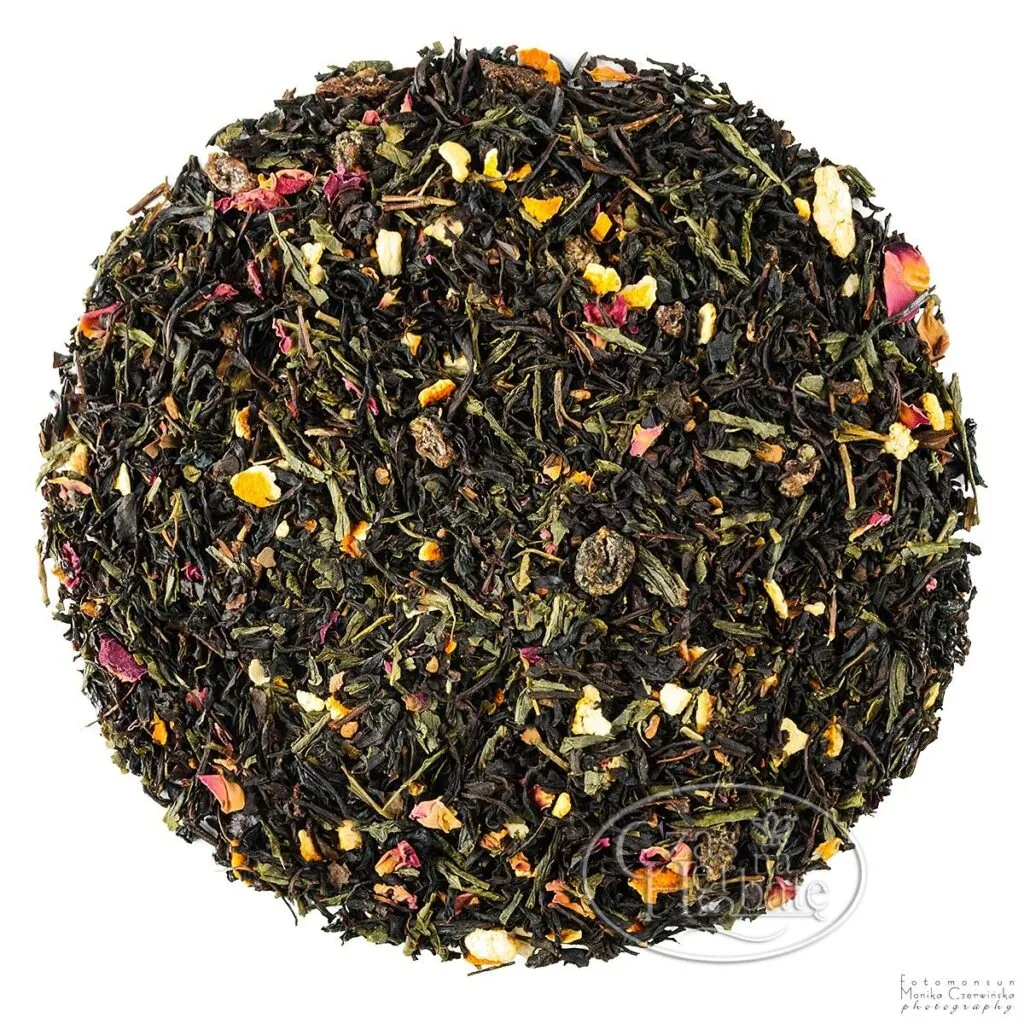
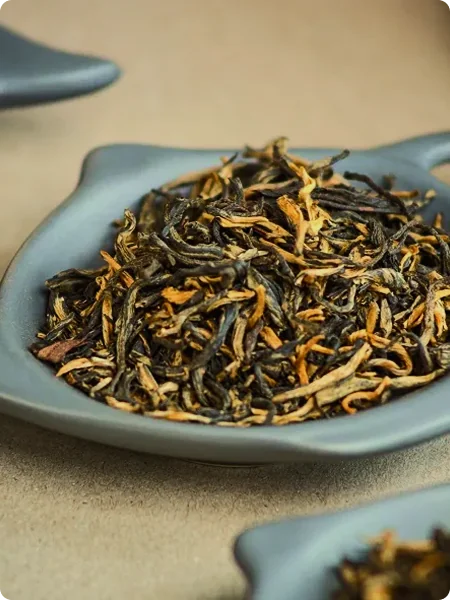
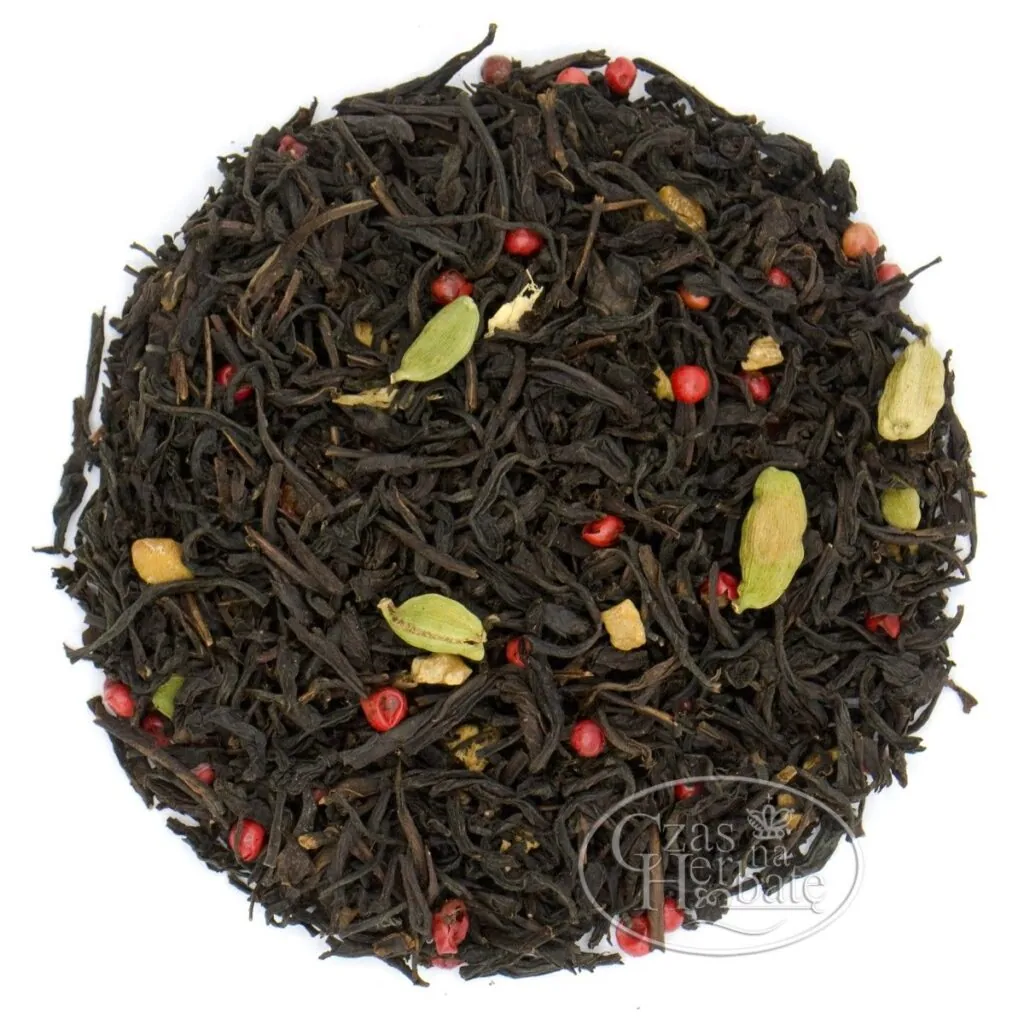
Black tea.
Share
Tea black
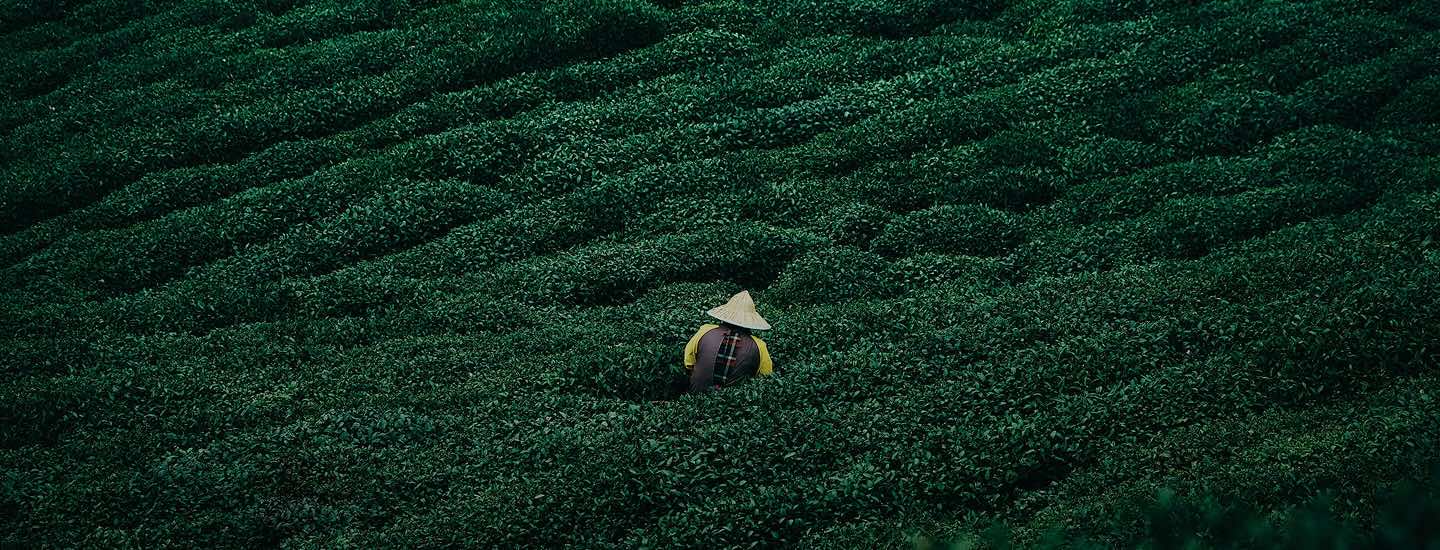
Black tea is what people imagine when they think of a cup of tea. Most (80%) of the tea consumed in the world is actually variants of black tea. We grew up drinking all sorts of varieties of it. Most black tea is produced on plantations in India (Assam and Darjeeling), China, Kenya and Sri Lanka. Its production uses leaves from different parts of the bush. However, most is made from leaves already developed. Black tea goes through all the processes of tea production: wilting, twisting, full oxidation and drying. Oxidation, or enzymatic oxidation of the leaves, can be carried out industrially - with machines, or orthodoxly - by hand. After complete oxidation, black tea takes on the color characteristic of its species. Non-fermented teas (90-95%)-Darjeeling, Nepal-are also known to have a milder, vegetal flavor and lighter color.
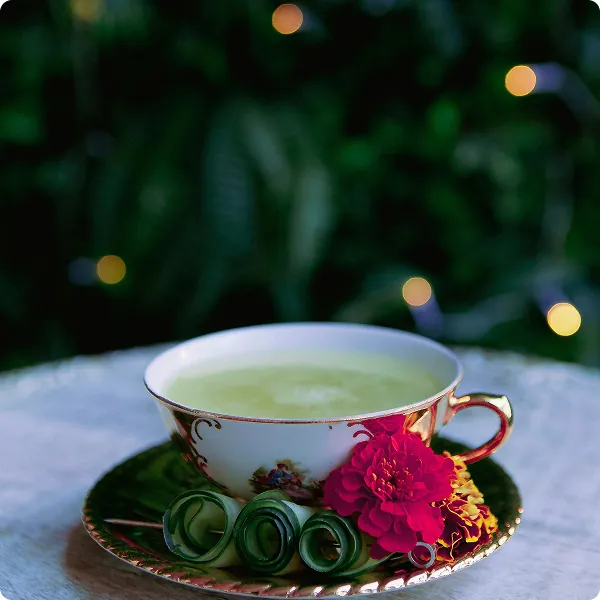
It activates brain function, removes fatigue, soothes headaches, and lowers blood pressure,
Regulates digestive processes, and regularly drunk strengthens the heart and cleanses the body of toxins
Method brews

Temperature
brews
95 °C

Quantity
teas
1/100ml

Time
brews
3 minutes
What are the health The benefits of black tea?
The major health benefits of this product include
Less theine - contains less theine than green and white teas; the more processes the tea leaves go through, the lower the theine content is
The digestive system - The tannin in the tea promotes digestion, helps with poisoning and makes heavy meals easier to digest
Healthy dishes - Strengthens blood vessels and inhibits the growth of bacteria
On pressure - Flavonoids have a beneficial, stabilizing effect on blood pressure
For skin and hair - Black tea poultices soothe sunburn, acne symptoms and puffiness around the eyes, while a hair rinse helps fight dandruff
Recommended
green hebes