Black, green, red - what's with the colors
Share
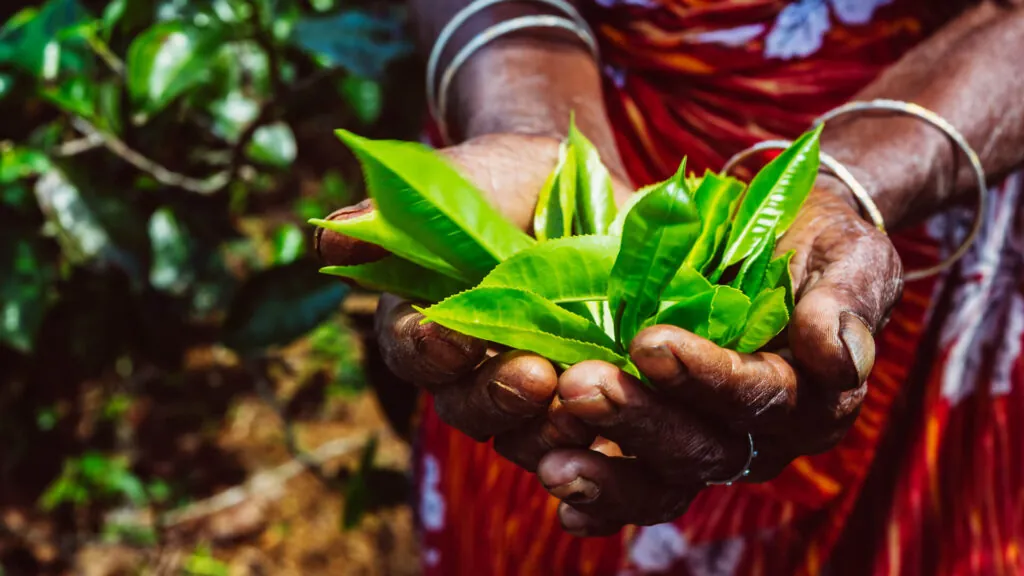
All types of tea are derived from the Camellia sinensis plant, but why such a wide variety of flavors and presentations? This plant comes in two varieties: sinensis and assamica, but the final color of the tea isn't determined by the variety. It's also not a matter of cultivar (i.e., a distinctive, distinct cultivated variety), although many cultivars are used exclusively for a specific type of tea. This is due to custom or the awareness that certain leaves, for example, will produce the highest quality green tea, not a lack of other options.
In fact, what determines the color (in the sense of the type) of tea is the way the harvested leaves are processed.
More details about the individual stages of tea processing and the properties of teas can be found in separate articles, in this one we only touch on the topic to explain the differences between the species.
White tea
White tea is obtained from the most delicate buds, which have not yet developed. At this stage the leaves are covered with mesquite. Sunny, rain-free mornings are chosen for harvesting so that the buds are not wet. The leaves specifically do not undergo oxidation (this occurs naturally in a few percent), but only undergo wilting (some do not even undergo this process) and drying. This ensures that the valuable substances are preserved in a highly concentrated form. White tea is harvested only in spring, so the harvest is short and takes on a small scale. The silver buds are harvested by hand, which requires precision and delicacy, and is a very labor-intensive occupation, which contributes to the high price of white tea.
Green tea
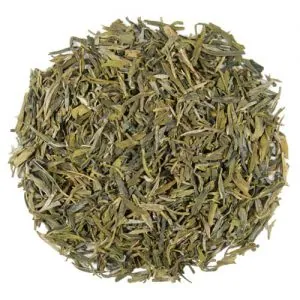
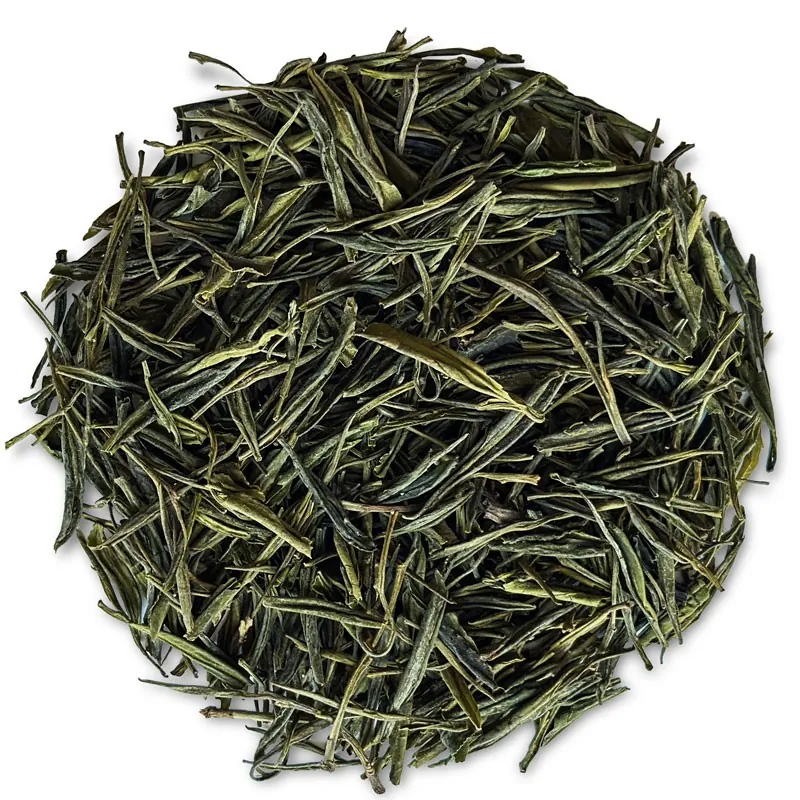
In green tea production, a bud and the first leaf, or a bud and two subsequent leaves, are typically harvested. Different types of tea require different leaves from specific harvest times. It's crucial to process the leaves immediately after harvesting. First, they undergo a withering process, then choose a method to inhibit oxidation to preserve their color.
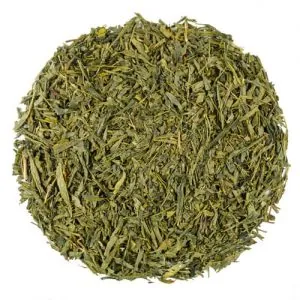
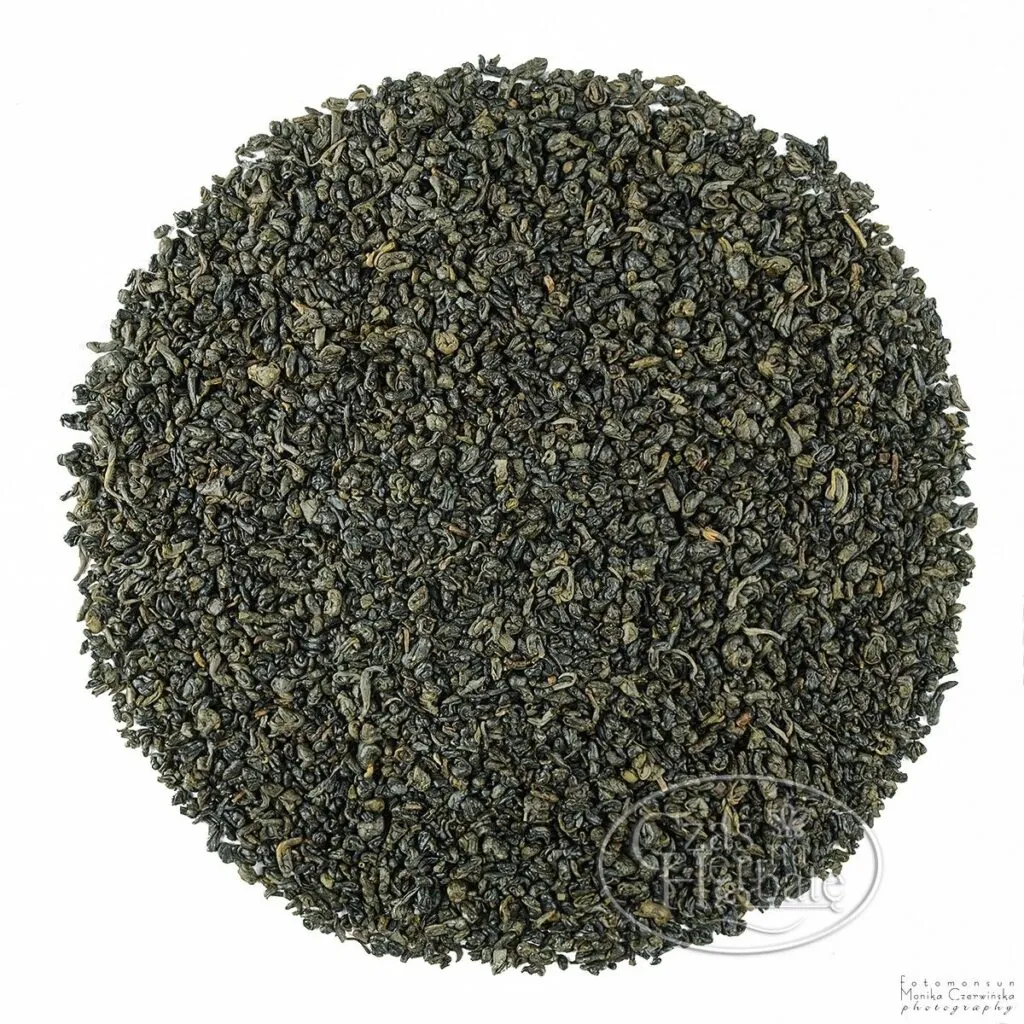
Before drying, the leaves are shaped into various shapes: needles (Japanese teas, sencha), spirals, full leaves, twisted, rolled (gunpowder), wavy, or flattened (tai ping hou kui). Green teas with non-standard processing or unusual leaf shapes are also produced worldwide (gyokuro, kukicha, kokeicha, powdered matcha).
Black tea
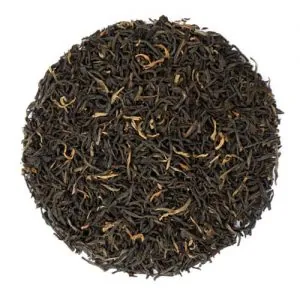
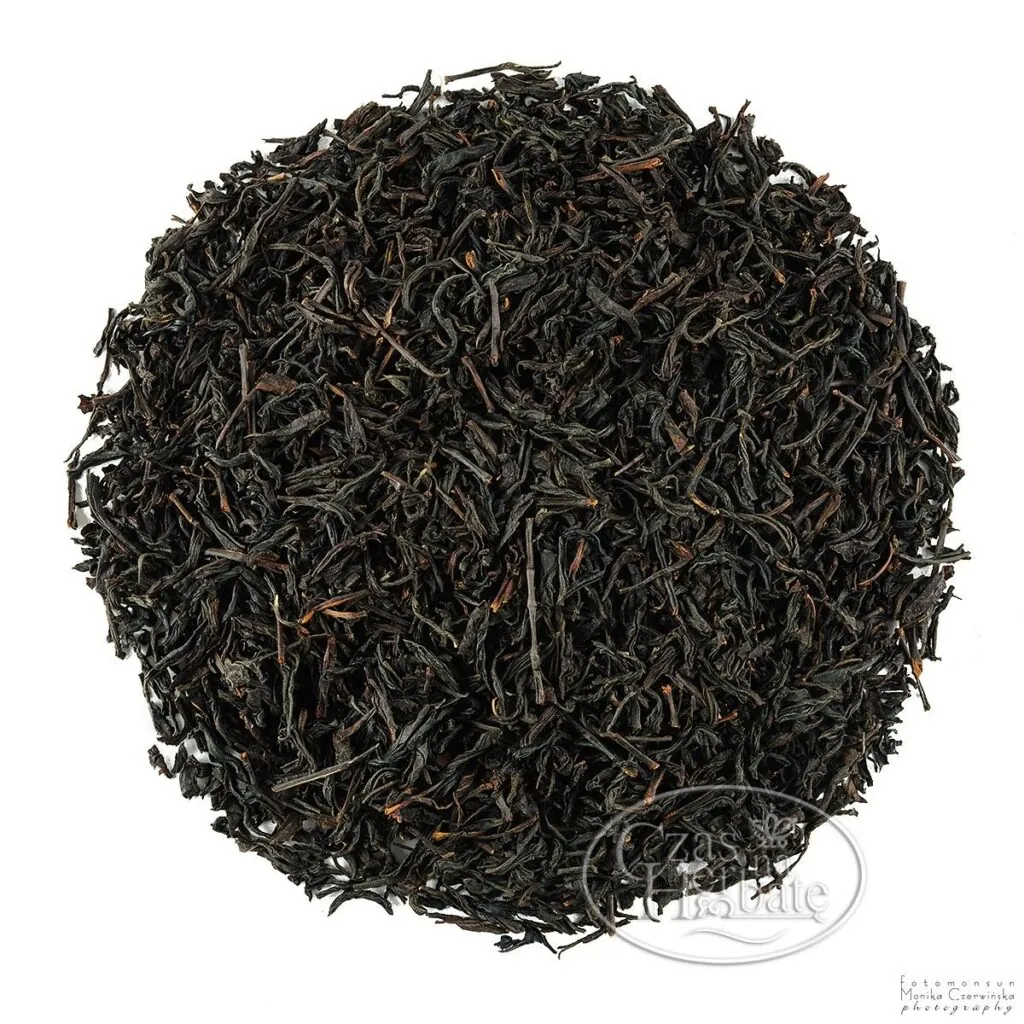
Black tea undergoes all the processes of tea production: withering, rolling, full oxidation, and drying. Oxidation, or enzymatic oxidation of the leaves, can be performed industrially—using machines—or more traditionally—by hand. After full oxidation, black tea acquires the characteristic color of its variety. Underfermented teas (90-95%) are also known—Darjeeling, Nepal—which have a more delicate, herbal flavor and lighter color.
Yellow tea
After being picked, it is withered, then slightly oxidized and undergoes the characteristic men huan process, after which it is dried.
Men huan (yellowing) involves heating the leaves and sealing them tightly. The hot leaves are wrapped in cloth or paper and left for several to a dozen hours. The process is sometimes repeated several times. It can be said that they undergo a stewing process, which changes their chemical composition (a significant portion of theine is broken down), flavor, and aroma.
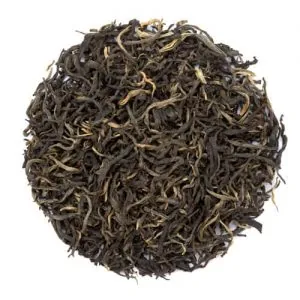
Turquoise, blue tea – Oolong
The leaves of this variety are harvested only at specific times of the year. They are left in the sun to partially wither, then placed in wicker baskets and shaken. This process abrades the leaf edges, damaging their veins, and releases juices from the tissues, which aids in subsequent oxidation. This is where Chinese teas can be distinguished from Taiwanese teas. The former undergoes a lower oxidation rate of 30-50%, while the latter oxidizes 60-70%. The oxidation process is stopped after about two hours by rapid drying at high temperatures (up to 250 degrees Celsius). It's important to note that Oolong tea always comes in the form of whole, large leaves, which is clearly visible after brewing when the leaves unfurl. We can then see the whole leaves, albeit with numerous blemishes and abrasions caused by shaking in the baskets.
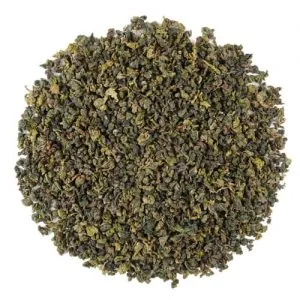
Red tea
This type of tea is initially produced very similarly to green tea. However, after drying, the process that constitutes the essence of red tea begins: microbial fermentation. This involves exposing the tea to the action of microorganisms, which multiply in appropriate climatic conditions. Depending on how it is carried out and the desired effect, this process can take anywhere from a few hours to even decades.
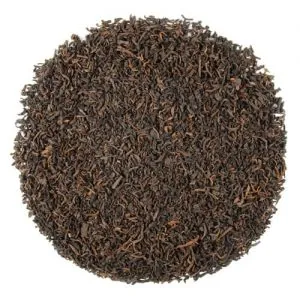
Red is black after all?
In the Western world, it is customary to call this most famous tea "black tea" and fermented tea "red tea." However, when reading descriptions of many Chinese teas, we may encounter the opposite nomenclature, namely, calling teas
Below is a brief summary of the different types of tea, their production processes, and the principles of preparation. However, it's important to remember that each tea is an individual creation, and there are many varieties bordering on different styles, so strictly adhering to the table below is not recommended.
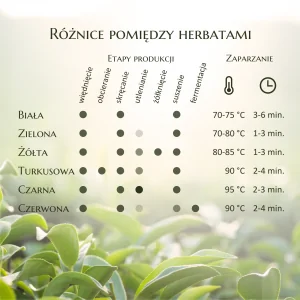
Are these all the colors? When it comes to how leaves are processed to obtain dried tea, there are six distinct styles. However, you can also come across purple tea, for example. This is a tea made from the Camellia sinesis cultivar, which is characterized by purple leaves. Their color comes from a high content of anthocyanins, antioxidants that also give berries their color.
Buy online
Check also
Can you drink green tea while pregnant?
Pregnancy is a time when every expectant mother carefully examines her eating habits and seeks reliable information about the safety of the products she consumes. Expectant mothers often check whether green tea is safe to drink during pregnancy because they want to be absolutely sure that the chosen infusion is completely safe for the baby's health. It's worth knowing the specific rules for its consumption. The most important […]
Does tea raise blood pressure? Everything you need to know
Many hot tea lovers, reaching for their next cup of tea throughout the day, wonder if tea raises blood pressure. The topic of theine's effect on the circulatory system is highly controversial, as the body's response depends on the type of tea and its preparation method. In this guide, we'll explain how different varieties affect blood vessels and help you understand whether your favorite […]

Is tea healthy? Check out its properties and contraindications.
Wondering if drinking tea is healthy as you reach for another cup of your favorite infusion throughout the day? This aromatic beverage has been with us for thousands of years, and modern science is increasingly confirming its unique effects on the human body. In this guide, we'll explore what's hidden in tea leaves, how different varieties support our well-being, and what […]