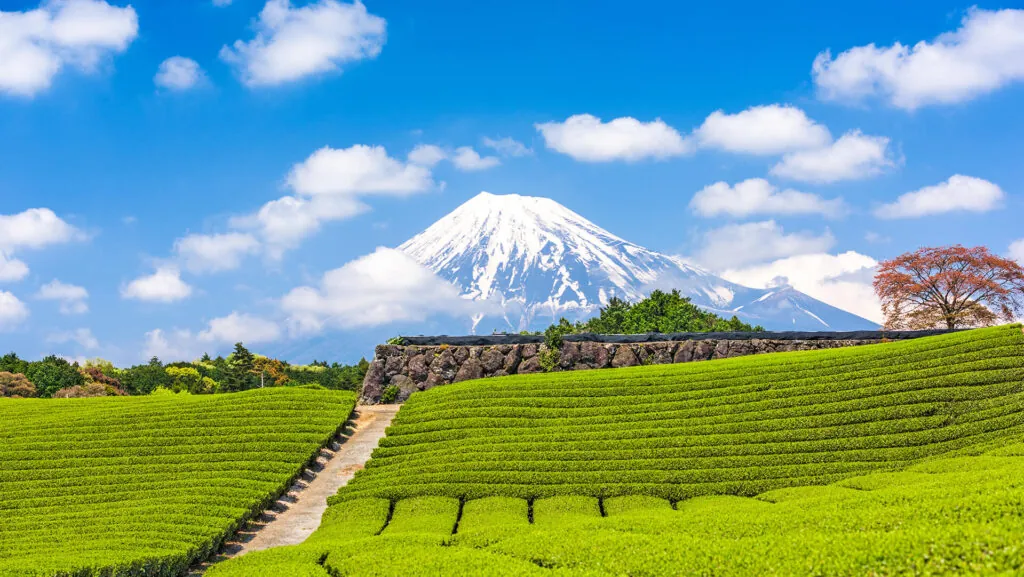
Green tea holds a very important place in the lives of the Japanese. The tradition of drinking this aromatic beverage dates back over a thousand years, and the classic ritual of preparing it is still observed in many homes today. What makes Japanese teas so unique?
A bit of history
Tea was likely present in Japan as early as the 8th century, and perhaps even earlier, but it was not widely available. It was drunk primarily by monks as part of various ceremonies. Tea seeds appeared in Japan around 805. The Japanese monks Kūkai and Saichō brought them back from their travels to China.
The first recorded mention of tea drinking in Japan dates back to 815, when tea was offered to Emperor Saga. The emperor was so impressed with the beverage that he ordered the establishment of five tea plantations near the capital. Subsequent writings from the Heian period indicate that tea was cultivated and consumed on a small scale by Buddhist monks as part of religious practices, as well as by the imperial family and members of the nobility. After the emperor's death, tea's popularity declined, only to rebound 300 years later.
The Zen monk Eisai, founder of the Rinzai school of Buddhism, is widely credited with popularizing tea in Japan. In 1191, Eisai returned from a trip to China and brought back tea seeds, which he planted on the island of Hirado in the Kyushu mountains. He also gave some of the seeds to the monk Myōe, who planted them in Toganoo and Uji, which became the sites of the first large-scale tea cultivation in Japan.
In 1211, Eisai wrote the first edition of the Kissa Yōjōki, the first Japanese treatise on tea. The Kissa Yōjōki promoted tea drinking for health purposes.
Since then, tea has spread throughout the country. The Japanese have developed their own methods for cultivating and processing the leaves to achieve their unique flavor.

The fifth taste
The Japanese, as true connoisseurs of the subject, value the finest quality dried tea, produced in a method unique to this region. They are devotees of umami, the fifth basic taste. It is present in meat, some cheeses, and also in fish and seaweed, which are very popular in Japan. This flavor can also be found in tea, and in Japan, through appropriate tea production and processing processes, it is enhanced and emphasized.
Growth and harvest
Tea is grown primarily in southern Japan due to its more favorable, warmer climate. In this region, tea grows at lower altitudes than in China or India. This alone affects its flavor. Shading is another important factor. To preserve the leaves' chlorophyll, bamboo mats are placed over the bushes a few weeks before harvest. This is most characteristic of Gyokuro tea, but Tencha (from which Matcha is made) is also shaded, and even some Sencha are shaded for several days to enhance their flavor and aroma.
Only a small portion of tea in Japan is harvested by hand; the rest is harvested mechanically. This is facilitated by the fact that plantations are often located on relatively flat terrain. This method gives rise to the characteristic hedge-like shape of the bushes on Japanese plantations.

Steam instead of fire
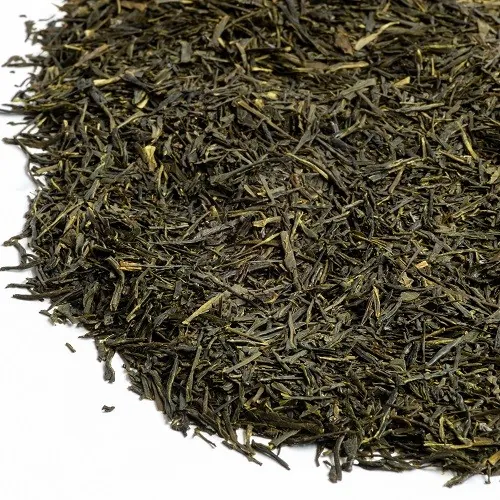
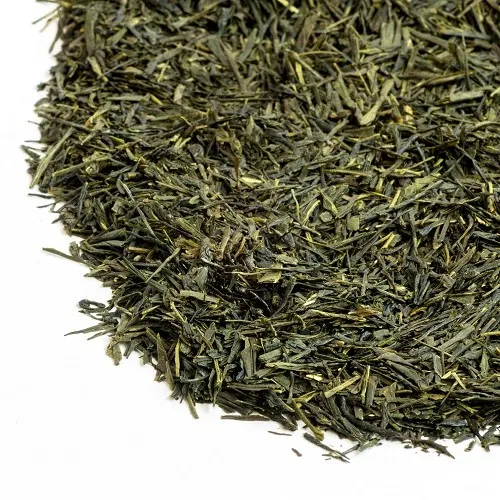
Sencha is the most popular tea variety in Japan, accounting for approximately 80% of the country's tea. Its production relies on a specific method of inhibiting the oxidation of the tea leaves. While in China, the leaves are most often roasted, in Japan they are steamed. This process involves heating young tea leaves with steam for several dozen seconds, then rolling them into characteristic, elongated needles and drying. Steaming time influences the tea's flavor and appearance; the longer the steaming, the more delicate the infusion, but also the smaller the leaf fragments, which can reduce the clarity of the infusion. This form of tea contributes to the creation of an exceptionally aromatic infusion with a subtle, slightly bitter flavor, more herbal in nature, and characteristic umami notes.
The vast majority of teas from the Land of the Rising Sun are green teas. Green tea, especially prepared from the youngest and most nutritious leaves, is a beverage rich in vitamins, minerals, and antioxidants, making it worth drinking daily. Drinking large quantities of tea is credited, among other things, to the longevity of the Japanese.

Check also

Can you drink green tea while pregnant?
Pregnancy is a time when every expectant mother carefully examines her eating habits and seeks reliable information about the safety of the products she consumes. Expectant mothers often check whether green tea is safe to drink during pregnancy because they want to be absolutely sure that the chosen infusion is completely safe for the baby's health. It's worth knowing the specific rules for its consumption. The most important […]
Does tea raise blood pressure? Everything you need to know
Many hot tea lovers, reaching for their next cup of tea throughout the day, wonder if tea raises blood pressure. The topic of theine's effect on the circulatory system is highly controversial, as the body's response depends on the type of tea and its preparation method. In this guide, we'll explain how different varieties affect blood vessels and help you understand whether your favorite […]

Is tea healthy? Check out its properties and contraindications.
Wondering if drinking tea is healthy as you reach for another cup of your favorite infusion throughout the day? This aromatic beverage has been with us for thousands of years, and modern science is increasingly confirming its unique effects on the human body. In this guide, we'll explore what's hidden in tea leaves, how different varieties support our well-being, and what […]