Does tea have caffeine?
Share
Depending on the type of tea and how it is brewed, the amount of caffeine can vary greatly. In this article, we will dispel any doubts, look at the caffeine content of different kinds of tea and suggest how to adjust its intake to suit your needs.
What ingredients does tea have in it?
Tea is not only an aromatic drink, but also a real treasure trove of valuable ingredients. Its chemical composition depends on the type of leaves, cultivation, fermentation and brewing method. Here are the most important components of tea and their properties:
- Teina - It stimulates the body, improves concentration and reduces feelings of fatigue. It is absorbed more slowly than caffeine from coffee, which makes its effects milder and lasts longer in the body.
- L-theanine - is an amino acid that has a relaxing effect, but also improves focus. It interacts with caffeine, mitigating its stimulating effect, so that the tea does not cause a sudden surge of energy.
- Polyphenols - powerful antioxidants that support the immune system and protect cells from oxidative stress. Catechins are found mainly in green tea, tannins impart an astringent taste and have antimicrobial properties, and flavonoids strengthen blood vessels.
- Vitamins and minerals - The tea contains vitamin C, B vitamins, magnesium, fluoride, zinc and manganese. They support immunity, metabolism, the nervous system and oral health.
- Essential oils - Are responsible for the aroma and flavor of tea. They are found in greater amounts in black and flavored teas, and some of them have relaxing and digestion-supporting properties.
- Saponins - Natural compounds with anti-inflammatory and antibacterial effects. They can support the immune system and have a soothing effect on the mucous membrane of the gastrointestinal tract.
- Purine alkaloids - Theobromine dilates blood vessels and acts as a mild stimulant, while theophylline supports the respiratory system and has a diastolic effect.
- Chlorophyll - found mainly in green tea, has a cleansing effect on the body, supports digestion and may help with cell regeneration.
- Pectins - natural polysaccharides that help regulate cholesterol levels and promote proper intestinal function.
Tea is much more than just a stimulating drink. In addition to caffeine, it contains a host of valuable ingredients that affect health and well-being. Thanks to the presence of polyphenols, vitamins and minerals, it can support immunity, improve concentration and have a relaxing effect. Choosing the right type of tea allows you to tailor its properties to your individual needs.
Does green tea have caffeine?
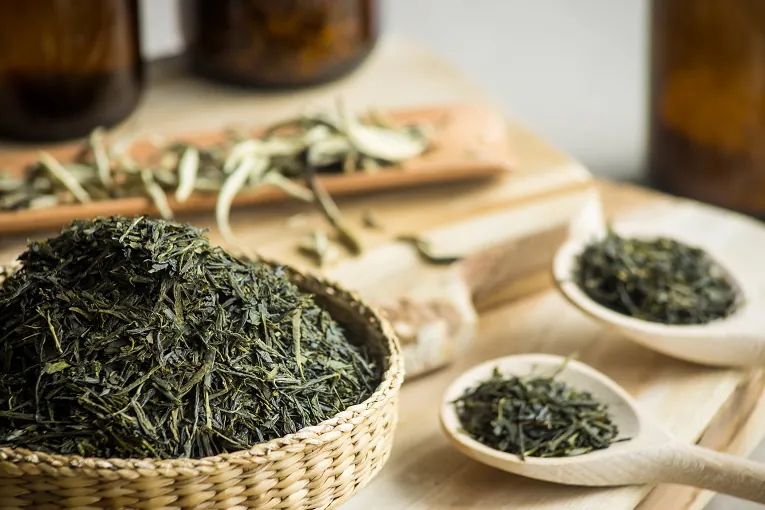
Does green tea have caffeine? This question often arises among people who are looking for an alternative to coffee or who want to consciously control their intake of stimulants. The answer is yes, green tea does contain caffeine, but the amount of caffeine can vary depending on a number of factors, such as the variety of tea, how it is grown, how the leaves are processed and the brewing method. Contrary to the common belief that tea is a milder beverage than coffee, green tea can contain a significant amount of caffeine - from 20 to as much as 50 mg per cup, while coffee has an average of 80-100 mg per cup. The amount of caffeine in green tea depends on the type of leaves, among other factors. Young, tender buds contain more of it than older leaves. Japanese varieties, such as matcha and gyokuro, are particularly high in caffeine because they are grown in a way that promotes an increase in this alkaloid. Matcha, which is a powdered green tea, provides more caffeine than traditionally brewed tea because the whole ground leaves are consumed, not just the infusion. In addition to the composition of the tea itself, the amount of caffeine is also significantly affected by the brewing time. The longer green tea is brewed, the more caffeine enters the brew. High water temperature also promotes more extraction of this substance. Therefore, people who want to reduce the stimulating effect of green tea can brew it for a shorter time at a slightly lower temperature, which will reduce the amount of caffeine in the brew.
Although green tea contains caffeine, its effects are somewhat different from those of coffee. Thanks to the presence of L-theanine, an amino acid with calming effects, the stimulation after drinking green tea is more mild and long-lasting. It doesn't cause a sudden surge of energy, but rather a gradual increase in alertness and concentration, making it a popular choice among white-collar workers and students. L-theanine also has a stress-reducing effect and improves the ability to focus. Does green tea have caffeine in amounts that can affect health? In most cases, its moderate consumption is perfectly safe and can provide numerous health benefits. Thanks to the presence of antioxidants such as catechins, green tea supports the cardiovascular system, boosts immunity and helps protect cells from oxidative stress. However, people sensitive to caffeine, pregnant women or those with insomnia problems should control the amount of green tea they consume, especially in the evening.
Does black tea have caffeine in it?
Black tea, which is the most heavily fermented variety, contains more caffeine than green tea, though still less than coffee. On average, 40 to 70 mg of caffeine can be found in a cup of black tea, making it an effective but milder source of stimulation than classic coffee. The fermentation process that black tea leaves undergo affects its chemical composition, which makes the caffeine in it act slightly differently than in green tea. The stimulation after drinking it is faster and more intense, but still less violent than after coffee. Thanks to the presence of tannins, black tea does not cause a sudden surge of energy, but gradually increases alertness and improves concentration. This makes it a frequent choice for people who need longer focus, but don't want the effect of sudden fatigue that can occur after the rapid metabolization of caffeine from coffee. The amount of caffeine in black tea depends on several factors. The finer ground the leaves, the more caffeine can be in the brew, because the smaller leaf fragments release their constituents more quickly into the water. This is why tea bags often have a higher caffeine content than leaf teas.
Brewing time also plays a key role. Longer contact between the leaves and hot water makes the drink stronger and more stimulating. Similarly, the temperature of the water, the higher it is, the more caffeine is released into the brew. Does tea have caffeine in it in an amount that can affect health? Black tea, when consumed in moderate amounts, can have many benefits. In addition to its stimulating effect, it also contains antioxidants that support the cardiovascular system and can help reduce oxidative stress. However, people who are sensitive to caffeine, and those who have trouble sleeping, should avoid drinking strong black tea in the evening, as it can make it difficult to fall asleep. It's also worth remembering that black tea varies by growing region. For example, Ceylon or Indian teas, such as Assam, have a higher caffeine content than the milder Chinese varieties, such as Keemun. Each species therefore has slightly different properties and effects on the body.
Does white tea have caffeine in it?
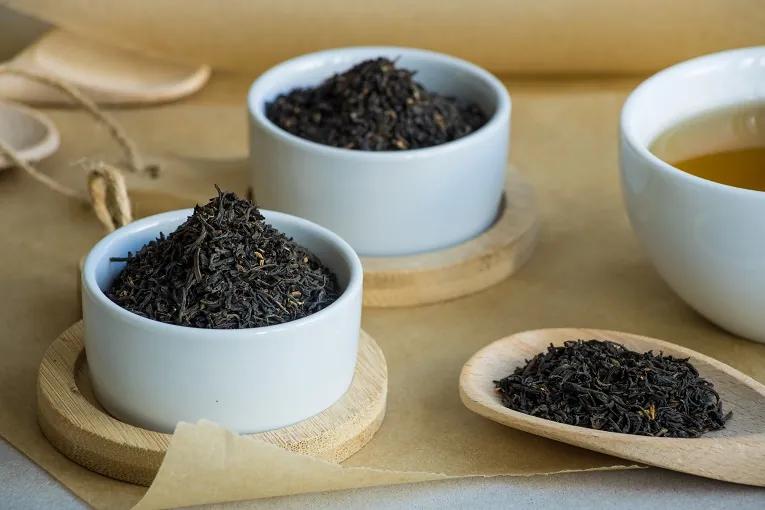
With its delicate flavor, subtle aroma and mild character, white tea is often seen as the lightest of all tea varieties. However, many people wonder whether white tea has caffeine and how its caffeine content compares to other types of tea. Although white tea is the least processed of all teas, it still comes from the same Camellia sinensis plant, which means it naturally contains caffeine. Contrary to popular belief that white tea is the mildest in terms of caffeine content, some varieties of white tea may contain even more caffeine than green tea. This is due to the fact that white tea uses young leaf buds, which naturally have a higher concentration of caffeine. Particularly rich in this ingredient are varieties such as Silver Needle where only tender buds covered with silvery mesquite are used.
An important factor affecting the amount of caffeine in white tea is how it is brewed. Unlike black or green teas, white tea is usually poured over water at a lower temperature and steeped for longer, often up to 5 minutes. Although the longer steeping time promotes the release of caffeine, the lower temperature somewhat reduces the process, allowing white tea to have a more subtle effect compared to strong infusions of black teas. For those who want to reduce the amount of caffeine, a shorter brewing time or choosing a tea with more mature leaves is recommended.
Does fruit tea have caffeine in it?
When choosing fruit teas, many people wonder if fruit tea has caffeine. Unlike traditional black, green or white teas, which come from the leaves of the Camellia sinensis plant, Fruit tea most often does not contain caffeine, as it is usually not made from the plant. It is an infusion composed of dried fruits, flowers and sometimes herbs, which makes its chemical composition significantly different from classic leaf teas. The lack of caffeine in fruit tea is due to the fact that the fruits that make up its base do not contain this natural alkaloid.
The most popular ingredients of such infusions, such as hibiscus, rosehip, raspberry, apple or orange, do not have stimulating properties, so these types of teas can be drunk at any time of the day or night without fear of affecting sleep or over-stimulating the body. This makes fruit tea an excellent alternative for people who want to avoid caffeine, such as children, pregnant women or people who are particularly sensitive to stimulants. However, there are exceptions to this rule. Some fruit blends contain the addition of traditional teas, such as green, black or white, which automatically means the presence of caffeine in the brew. A popular example is fruit tea with the addition of yerba mate or matcha, which naturally contain caffeine and exhibit stimulating properties. That's why it's a good idea to check the composition of the blend before buying to make sure whether the fruit tea has caffeine or is completely caffeine-free.
Another consideration is how the ingredients are processed. Some fruit teas, especially flavored teas, may contain small amounts of caffeine in the form of synthetic additives or natural extracts to enhance the flavor and characteristics of the brew. Such cases are rare, however, and are usually clearly marked on packaging.
Whether you choose green, black, white or fruit tea, each has its own unique properties and affects the body in a different way. If you're looking for a boost, but in a milder form than coffee, green and black teas can be excellent choices. If you avoid caffeine, it's best to go for fruit teas or milder white varieties. It's worth experimenting and adjusting your choice to suit your needs. Want to try the highest quality teas and find the perfect flavor for you? Visit our Czas na Herbatę store and discover a wide range of teas from around the world.
Check also

Can you drink green tea while pregnant?
Pregnancy is a time when every expectant mother carefully examines her eating habits and seeks reliable information about the safety of the products she consumes. Expectant mothers often check whether green tea is safe to drink during pregnancy because they want to be absolutely sure that the chosen infusion is completely safe for the baby's health. It's worth knowing the specific rules for its consumption. The most important […]

Does tea raise blood pressure? Everything you need to know
Many hot tea lovers, reaching for their next cup of tea throughout the day, wonder if tea raises blood pressure. The topic of theine's effect on the circulatory system is highly controversial, as the body's response depends on the type of tea and its preparation method. In this guide, we'll explain how different varieties affect blood vessels and help you understand whether your favorite […]

Is tea healthy? Check out its properties and contraindications.
Wondering if drinking tea is healthy as you reach for another cup of your favorite infusion throughout the day? This aromatic beverage has been with us for thousands of years, and modern science is increasingly confirming its unique effects on the human body. In this guide, we'll explore what's hidden in tea leaves, how different varieties support our well-being, and what […]