What is sencha?
Share
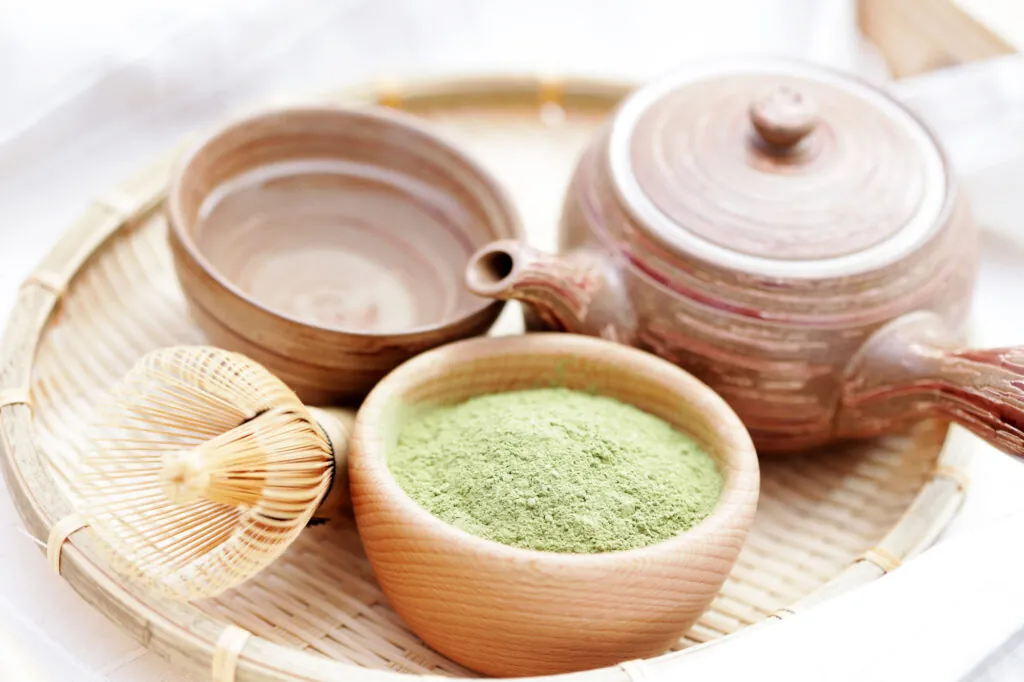
Green tea is known to everyone, but not everyone knows what its full properties are and to what we owe them. Green tea is described as one of the healthiest brews thanks to its wealth of vitamins and minerals. It is also known for its stimulating and antioxidant properties. One of the varieties of green tea is precisely sencha.
How is sencha made?
The method of making this type of tea is based primarily on the characteristic preparation of the leaves. First they are squeezed, then they are subjected to hot steam, and then they are dried with hot air and immediately wrapped. Thanks to this process japanese sencha It has a specific conical shape. In addition, the leaves are not aged before processing, so they do not oxidize or ferment.
Stages of sencha formation:
- Harvesting the leaves - they are most often harvested mechanically, although high-end sencha is harvested by hand.
- Blowing warm air - this is to preserve the freshness of the leaves before further processing, so they are blown with hot air before the next processes.
- Evaporation - it is aimed at stopping oxidation. This is the most important stage in the processing of leaves. They are subjected to steam to affect the deactivation of enzymes responsible for darkening. As a rule, the process lasts from several seconds to about 2 minutes. The length of evaporation and its intensity is responsible for the final product.
- Leaf cooling and wrapping - this process gives the leaves their characteristic oblong shape.
- Drying - takes about 30 minutes. The pre-processed tea is called aracha, which is then still subjected to additional drying.
What does sencha taste like?
It all depends on the region where the crop comes from and how it was processed. The most common flavors are: fresh, sweet, slightly tart, fruity (peach, grape, citrus, mango), umami, herbal, nutty or even vegetable. Sencha is also characterized by specific aromas, among which the most common are fruity, marine, floral (jasmine and gardenia) and grassy aromas. When it comes to the choice of sencha green teas, we have many flavor options to choose from. A very popular one is jasmine sencha, citrus or blends with added fruits like orange or raisins. So it's worth getting several types, depending on your taste preferences and desired effects. We can choose milder blends with more relaxing properties or, for example, with the addition of guarana, which will further stimulate the body and add energy.
Sencha green - why should you drink it?
Green tea has many health-promoting properties. Its regular consumption has a number of benefits like improving concentration and mental functioning, it also supports the circulatory and immune systems.
Green sencha tea - what properties does it have?
- Helps in the fight against excess weight;
- nullifies the effects of stress;
- Is a source of energy;
- cleanses toxins;
- Delays the aging process;
- Supports the circulatory system.
Sencha is one of the most popular teas in Japan and is claimed to be one of the secrets to a long and healthy life for its people. No wonder, as it contains many minerals like zinc, calcium, potassium, fluorine, iron and sodium, as well as vitamins A, C, E, K, and B. It is also rich in antioxidants, which delay the aging process and protect against the development of cancer or free radicals. In addition, sencha has the effect of improving general well-being, mood, supports metabolism and the functioning of the mind.
How to brew sencha?
If you brew the tea at a high temperature, it will bring out more aroma, but it will increase its astringency and bitterness. Conversely, low temperatures will bring out more sweetness and umami from the sencha however it will have less aroma. So to get the best health-promoting effects, sencha must be brewed properly. Improper brewing temperatures can contribute to important components escaping from the brew or not being released from the leaves. So, when making sencha green tea, pour water at 60-80 degrees Celsius, then wait 1-3 minutes for it to brew. The time you wait always depends on the temperature of the water and how strong an infusion you want to obtain. For example, sencha brewed longer will be more intense and bitter, but will have calming properties. If, on the other hand, we want a relaxing effect, a shorter brew should be used. A big advantage of sencha is that one portion of the leaves can be poured 2-3 times so it is additionally very efficient.
How to drink sencha tea?
Sencha can be consumed daily. It is best to prepare the infusion in larger quantities and consume it between meals. It is also a good idea to adjust the brewing method to the time of day, so that, for example, you don't get a stimulating effect in the evening.
1. how to drink sencha tea?
Yes, it is possible to purchase such a flavor. We also have many other flavors of this type of green tea to choose from.
2. how long do I have to brew sencha?
The length of steaming depends on what effect you want to achieve. Usually it is about 1-3 minutes.
3. can I brew sencha only once?
No, the big advantage of this type of green tea is that it can be brewed several times. So we can brew it up to 3 times.
Check also
Can you drink green tea while pregnant?
Pregnancy is a time when every expectant mother carefully examines her eating habits and seeks reliable information about the safety of the products she consumes. Expectant mothers often check whether green tea is safe to drink during pregnancy because they want to be absolutely sure that the chosen infusion is completely safe for the baby's health. It's worth knowing the specific rules for its consumption. The most important […]
Does tea raise blood pressure? Everything you need to know
Many hot tea lovers, reaching for their next cup of tea throughout the day, wonder if tea raises blood pressure. The topic of theine's effect on the circulatory system is highly controversial, as the body's response depends on the type of tea and its preparation method. In this guide, we'll explain how different varieties affect blood vessels and help you understand whether your favorite […]

Is tea healthy? Check out its properties and contraindications.
Wondering if drinking tea is healthy as you reach for another cup of your favorite infusion throughout the day? This aromatic beverage has been with us for thousands of years, and modern science is increasingly confirming its unique effects on the human body. In this guide, we'll explore what's hidden in tea leaves, how different varieties support our well-being, and what […]