What is a gaiwan?
Share
If you want to know what a Gaiwan is, why it is used and how it is used, then we encourage you to read the following article.
Gaiwan - what is it?
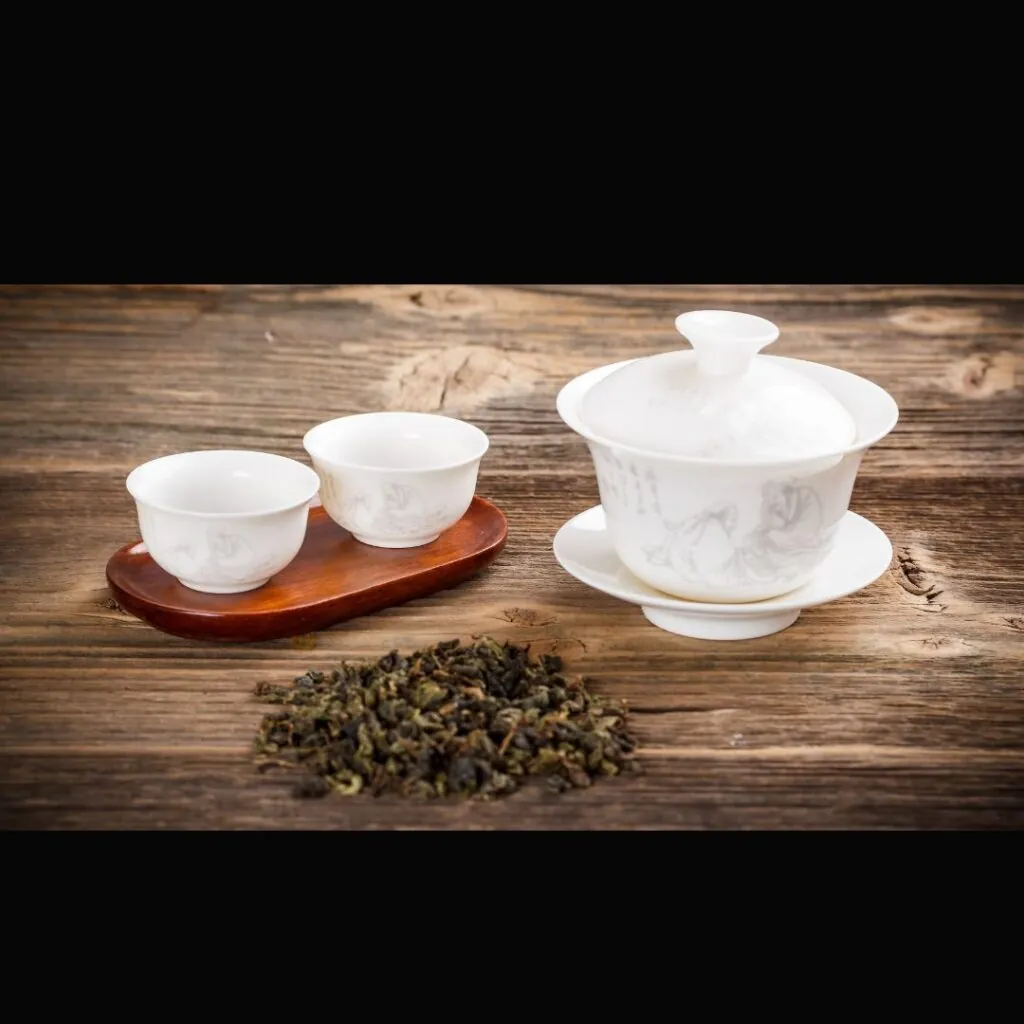
Let's start with the basics, which is what a Gaiwan really is. It's a vessel designed for brewing tea, but it's very different from other, typical brewers that are known in Europe. Similar in form, because it has a lid (Gaiwan) and a bowl (wan), hence its name. Thus, it is something like a teapot with a lid. Often the sets also have a saucer attached.
Gaiwan has been used since ancient times, and today it is used, for example, in Fujian province in China. Traditional customs related to brewing and drinking tea are cultivated there. This is done, for example, by pouring the tea into Gaiwan teapots, which allows several people to taste it, or drink it directly from it.
What is the secret of the Gaiwan? You might think that it is no different from standard tea making equipment. Nothing could be further from the truth! This tool allows brewing in a variety of ways, most often using Chinese methods and in a short time. In addition, it is also used for drinking directly from the pot.
Application of Gaiwan
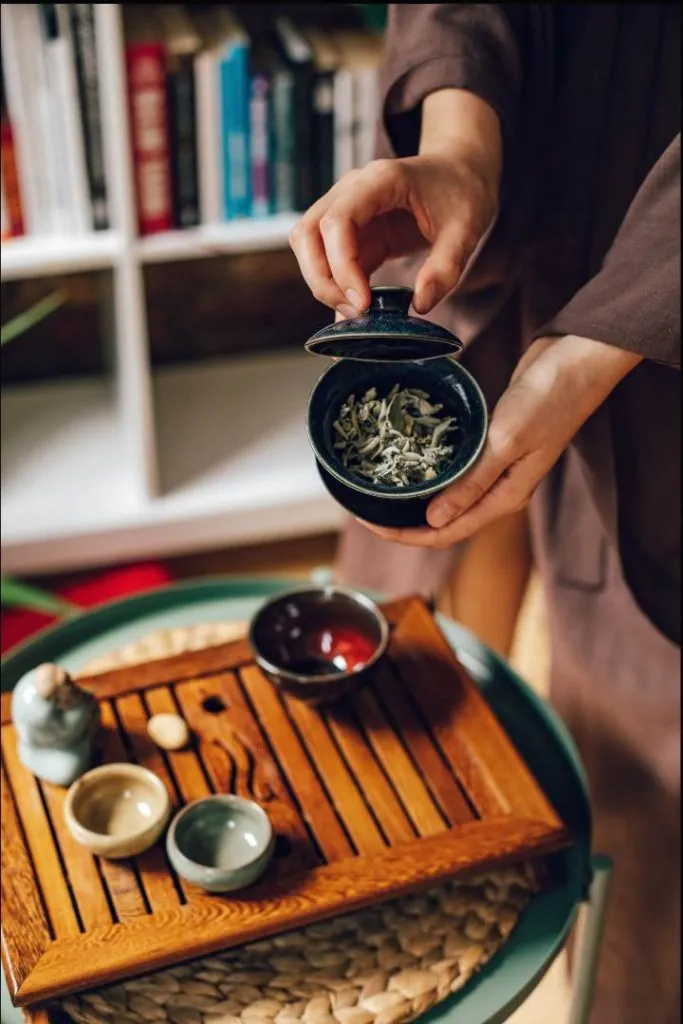
The gaiwan allows you to brew tea in a variety of ways, but it is most often used for the Gong fu cha method. It is characterized by brewing a larger amount of dried tea in a fairly short time. In addition, a small amount of water is usually used. As you can guess, this produces a very intense, distinctive and strong brew.
Gaiwan brewing
When brewing with this method, 4 to as much as 10 g of leaves per 100 ml of water is used. The brewing must last for a short time to ensure an essential and strong flavor, but the final brewing length will depend on the tea being brewed.
What will be the best tea to brew in Gaiwan? Will be it:
Interestingly, in some parts of China, Gaiwan even brews green and yellow teas. This is not a common practice, but it can produce surprising results, which will work well for those who enjoy tea experiments.
- Oolong
- Pu-Erh
- White tea
- Heicha (black tea).
In addition, with the help of the Gaiwan, you can, of course, prepare tea using the traditional method, adding less dried tea and increasing the steeping time of the leaves.
What teas not to brew in Gaiwan?
- The gaiwan is a fairly versatile vessel and is suitable for many teas, but not all.
- It is recommended to avoid brewing in Gaiwan Japanese teas characterized by small leaves. These most often require the use of an additional strainer.
How to brew tea in Gaiwan step by step?
- Prepare 4 -10 grams of dried food.
- Reheat the Gaiwan by rinsing it with hot water.
- Pour the dried food into a bowl.
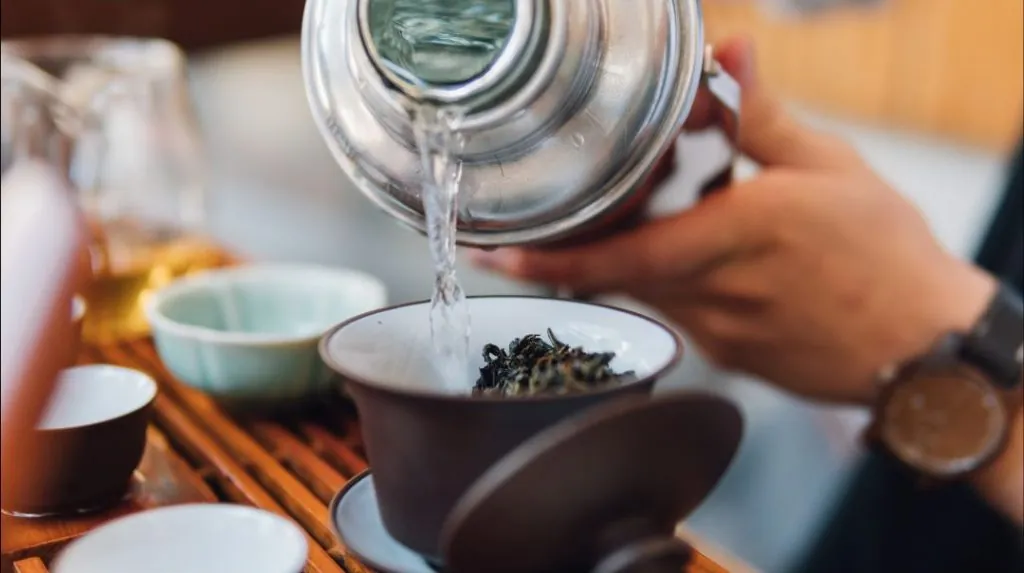
- Pour hot water into the tea leaves for about 15 seconds, but no longer, so as not to scald the leaves. How to do it. The best way is to pour the water over the lid, and after this time, quickly pour it off.
- Pour water into the leaves, which have already been awakened, (also pouring over the lid) and brew for about half a minute.
- Pour off the infusion, uncover the lid and drink directly from the vessel or pour it into a teapot.
The cycles, length and number of brews should be selected according to the type of tea. Using this method, you can brew multiple times.
Beginners are recommended to choose teas with large leaves and those thatóre do not require steaming at high temperatures. This makes it easier to avoid the risk of burning.
Interesting facts about Gaiwan
- The history of the Gaiwan dates back to the Ming Dynasty (1368-1644), when the tea master, Lu Yu, discovered this unique vessel.
- True tea aficionados, when talking about Gaiwan, often describe its design by symbolically referring to heaven (the lid), earth (the saucer) and everything between heaven and earth (the teapot).
- The Gaiwan tea brewing technique requires some practice. One holds the teapot with the thumb and middle finger, while the index finger holds the lid. Tilting the vessel creates a gap between the lid and the teapot, allowing the brew to pour out, but keeping the leaves inside.
- Training courses and workshops on tea culture, including Gaiwanese brewing techniques, are increasingly being organized in Poland. Participants can explore the history of tea, learn practical brewing skills and learn about the diversity of tea culture.
Check also
Can you drink green tea while pregnant?
Pregnancy is a time when every expectant mother carefully examines her eating habits and seeks reliable information about the safety of the products she consumes. Expectant mothers often check whether green tea is safe to drink during pregnancy because they want to be absolutely sure that the chosen infusion is completely safe for the baby's health. It's worth knowing the specific rules for its consumption. The most important […]
Does tea raise blood pressure? Everything you need to know
Many hot tea lovers, reaching for their next cup of tea throughout the day, wonder if tea raises blood pressure. The topic of theine's effect on the circulatory system is highly controversial, as the body's response depends on the type of tea and its preparation method. In this guide, we'll explain how different varieties affect blood vessels and help you understand whether your favorite […]

Is tea healthy? Check out its properties and contraindications.
Wondering if drinking tea is healthy as you reach for another cup of your favorite infusion throughout the day? This aromatic beverage has been with us for thousands of years, and modern science is increasingly confirming its unique effects on the human body. In this guide, we'll explore what's hidden in tea leaves, how different varieties support our well-being, and what […]