Types of teas and their properties. Learn about the most popular teas and their uses
Share
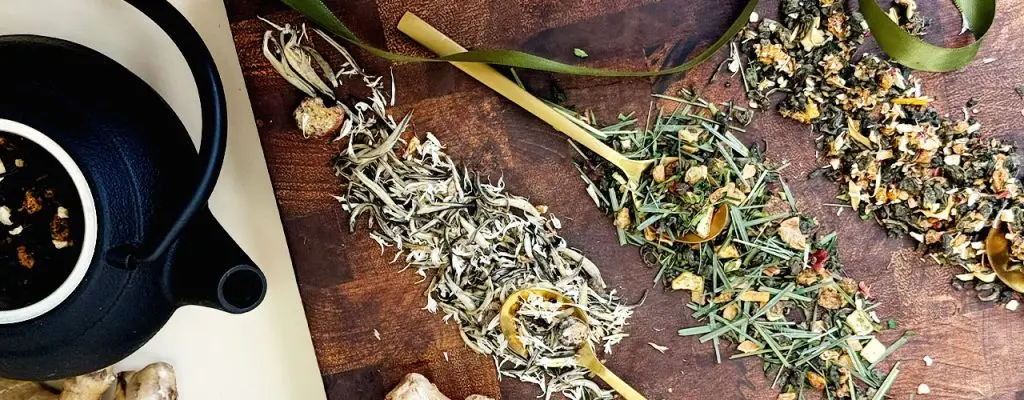
Tea is more than a beverage - it is a tradition, a taste and a ritual that has accompanied people for thousands of years. There are dozens of species and varieties in the world, but all types of tea come from one source - the plant Camellia sinensis. They differ in the way they are processed, the intensity of their flavor and their theine content. It's worth getting to know them better, so you can consciously reach for the one that will best fit into your daily rhythm.
Highlights from the article
- All types of tea come from one plant - Camellia sinensis, and they differ in the way the leaves are processed.
- Black tea is fully fermented, stimulates and improves concentration.
- Green tea is not fermented, acts as a mild stimulant and supports metabolism.
- White tea is the least processed kind - it's delicate, full of antioxidants, and considered the premium tea.
- Red Pu-Erh and oolong are distinguished by maturation and partial fermentation - they support digestion and balance the body.
Black tea - the most popular of all types of tea
Black tea is the most popular brew in the world. Its leaves undergo full fermentation, which gives it a deep flavor, dark color and distinctive aroma. It has a stimulating effect, improves concentration and gently raises blood pressure - so it's perfect for the morning or at work.
The process of making black tea:
- The leaves wilt to lose some of their moisture.
- They are then rolled, which releases the plant juices.
- They undergo full fermentation, which gives them a dark color and a distinct flavor.
- At the end, they are dried to preserve shelf life and flavor.
Regularly drinking black tea can support the cardiovascular system and digestion. If you appreciate the classics, black tea will be a hit.
Choose green tea for a good start to the day
Green tea is not fermented, so it retains its natural freshness and wealth of antioxidants. Its taste is more subtle than that of black tea, and its effect is mildly stimulating. It is perfect both in the morning and during the day, when you need a moment to focus without excess caffeine.
The process of making green tea:
- The fresh leaves are subjected to a short heat treatment (steaming or roasting) to stop the fermentation process.
- They are then rolled, dried and sorted.
- As a result, they retain their green color and delicate aroma.
Green teas are famous for their cleansing and metabolism-boosting properties. They support immunity, improve skin condition and help balance the body.
Reach for white tea and discover its extraordinary delicacy
White tea stands out from the rest in that it is the least processed type of tea. Its leaves are only dried, without fermentation. As a result, the infusion retains a delicate, slightly floral flavor and the highest content of natural antioxidants. It is considered the premium tea. It is often chosen by connoisseurs who appreciate gentleness and sophistication.
The process of making white tea:
- Young tea buds and leaves are harvested.
- They are not rolled or fermented.
- They dry naturally in the sun or at low temperatures.
White tea is ideal for moments of relaxation. It doesn't stimulate like black or green, but in a subtle way it adds energy and improves the mood. It tastes great both hot and chilled, as a refreshing drink for summer.
Red tea - for those who seek balance
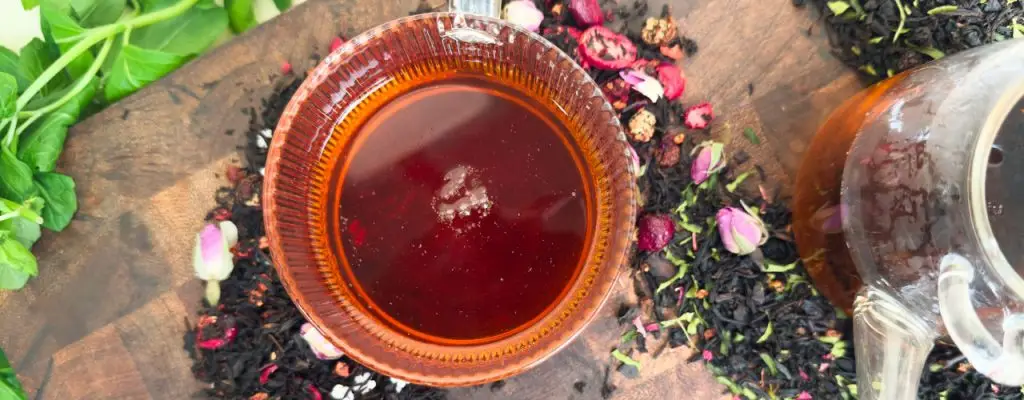
Red tea, also known as Pu-Erh, is an infusion with an earthy flavor and intense aroma. It is created through partial fermentation and matures over many months or even years. It is considered an ally of line-conscious people, as it speeds up metabolism and aids digestive processes.
The process of making red tea:
- The leaves are partially fermented.
- They are then subjected to a maturation process that can last from several months to several years.
- This gives the tea a deep flavor and dark color.
A cup of red tea effectively restores lightness, so it's also a great choice after a heavy meal.
Types of tea - oolong, which surprises with every sip
Oolong, also called turquoise tea, combines the characteristics of green and black tea. The leaves are only partially fermented, giving the brew an extremely complex flavor. It has floral and deeply nutty aromas. This is a tea for those who like to discover new nuances in every sip.
The process of making oolong tea:
- The leaves are wilted and slightly oxidized - fermentation is interrupted in the middle.
- They are then gently rolled and dried.
- The degree of fermentation determines the final flavor - the greater, the more like black tea.
Oolong supports digestion and metabolism, and has a positive effect on mood. It is an excellent choice for those who want to combine drinking pleasure with health concerns.
Herbal infusions - natural support every day
Although not technically part of the family teas, herbal infusions are very popular. Chamomile, mint, lemon balm or nettle are not only aromatic additives, but also natural support for the body. They aid digestion, relieve stress and help
Types of teas - discover your favorite with Czas Na Herbatę
The world of tea is full of flavors, aromas and traditions. Each type of tea has something unique to offer. No matter which one you choose, a cup of tea is always a good idea for a moment of relaxation and pleasure.
Visit Czas Na Herbatę and discover the richness of flavors that the world of teas holds. Find the one that suits you best and make every break a small ritual of pleasure.
FAQ – frequently asked questions
What are the types of black teas?
Among the most popular black teas are Assam, Darjeeling, Ceylon, Yunnan and Earl Grey with bergamot. They vary in flavor, aroma and intensity depending on their region of origin.
What type of tea is the most popular?
The most popular choice in the world is black tea - prized for its deep flavor, aroma and stimulating properties. It is a classic that never goes out of fashion.
Check also
Can you drink green tea while pregnant?
Pregnancy is a time when every expectant mother carefully examines her eating habits and seeks reliable information about the safety of the products she consumes. Expectant mothers often check whether green tea is safe to drink during pregnancy because they want to be absolutely sure that the chosen infusion is completely safe for the baby's health. It's worth knowing the specific rules for its consumption. The most important […]
Does tea raise blood pressure? Everything you need to know
Many hot tea lovers, reaching for their next cup of tea throughout the day, wonder if tea raises blood pressure. The topic of theine's effect on the circulatory system is highly controversial, as the body's response depends on the type of tea and its preparation method. In this guide, we'll explain how different varieties affect blood vessels and help you understand whether your favorite […]

Is tea healthy? Check out its properties and contraindications.
Wondering if drinking tea is healthy as you reach for another cup of your favorite infusion throughout the day? This aromatic beverage has been with us for thousands of years, and modern science is increasingly confirming its unique effects on the human body. In this guide, we'll explore what's hidden in tea leaves, how different varieties support our well-being, and what […]