Tibet is an amazing and very mysterious land. On the one hand, it delights tourists with its scenic views, rich culture and centuries-old history; on the other hand, it scares them away with its harsh climate and many rules that are incomprehensible to Europeans. Also surprising is the diet of the Tibetan Highlanders, including the custom of drinking their unusual tea drink, known as Butter Tea or "Po cha." Are you curious about how it is prepared and how it tastes? We wouldn't be ourselves if we didn't try to make such tea ourselves.
Tibetan tea - step by step corking
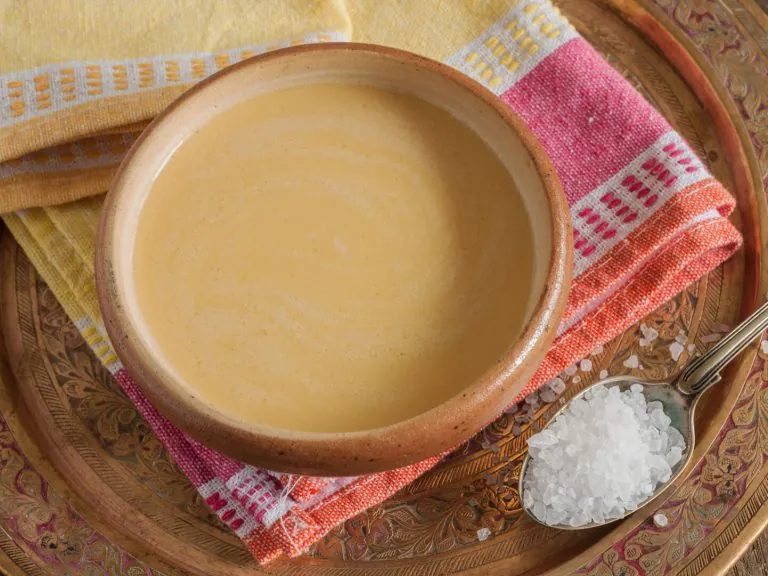
There's no denying it - Tibetan style tea is a real calorie bomb! Its base is red Pu-erh, which is seasoned with Himalayan salt, as well as a fair amount of milk and butter. The original version of Butter Tea uses dairy, made from yak milk. In our country, these ingredients are not likely to be easy to come by, so in the native version they can of course be replaced with cow products. So how is classic Tibetan-style tea prepared? First, steep about 10-15 grams of Pu-erh in two cups of water for a few minutes. Once the infusion has a strong, intense color, salt is added (in large quantities, even 2 tablespoons!) and half a cup of milk which. The whole thing should be thoroughly mixed and boiled, and then poured into a vessel, on the bottom of which 2 tablespoons of butterscotch are placed beforehand. When the hot brew has dissolved the butter, the most important part comes - the thorough whisking. In Tibetan tradition, a special device called a chandong, somewhat resembling a butter churn, is used for this.
When the whole process is complete, you get a one-of-a-kind tea - thick, buttery and so salty that people from other parts of the world have trouble drinking it. However, if you don't have plans to visit Tibet anytime soon, and you want to prepare Po cha yourself, there's nothing to stop you. Just make it in a milder variety, that is, reduce the amount of salt, add butter and milk from a cow. Instead, whisk the whole thing with a mixer or a handheld milk frother.
Tea for tough conditions
When you already know the recipe for traditional Butter Tea and know what it tastes like, you probably wonder why Tibetans are so eager to drink it. Well, such a drink has a lot of calories, is a great energy boost and helps people survive in harsh climates. Add to this a centuries-old tradition (dating back as far as the 10th century) and look at tea as an excuse to spend time together and show interest in visitors. For in Tibet, treating tourists to tea is an important symbol of hospitality, and refusing to drink "Po cha" is treated as an insult. What's more, guests refill their teapots almost indefinitely, so the only way to stop your hosts from topping up your drink is to drink it very slowly and only empty the vessel before you leave. Keep this in mind if you ever visit Tibet or its immediate environs, and salt-and-butter tea is not your favorite ?
Check also
Can you drink green tea while pregnant?
Pregnancy is a time when every expectant mother carefully examines her eating habits and seeks reliable information about the safety of the products she consumes. Expectant mothers often check whether green tea is safe to drink during pregnancy because they want to be absolutely sure that the chosen infusion is completely safe for the baby's health. It's worth knowing the specific rules for its consumption. The most important […]
Does tea raise blood pressure? Everything you need to know
Many hot tea lovers, reaching for their next cup of tea throughout the day, wonder if tea raises blood pressure. The topic of theine's effect on the circulatory system is highly controversial, as the body's response depends on the type of tea and its preparation method. In this guide, we'll explain how different varieties affect blood vessels and help you understand whether your favorite […]

Is tea healthy? Check out its properties and contraindications.
Wondering if drinking tea is healthy as you reach for another cup of your favorite infusion throughout the day? This aromatic beverage has been with us for thousands of years, and modern science is increasingly confirming its unique effects on the human body. In this guide, we'll explore what's hidden in tea leaves, how different varieties support our well-being, and what […]