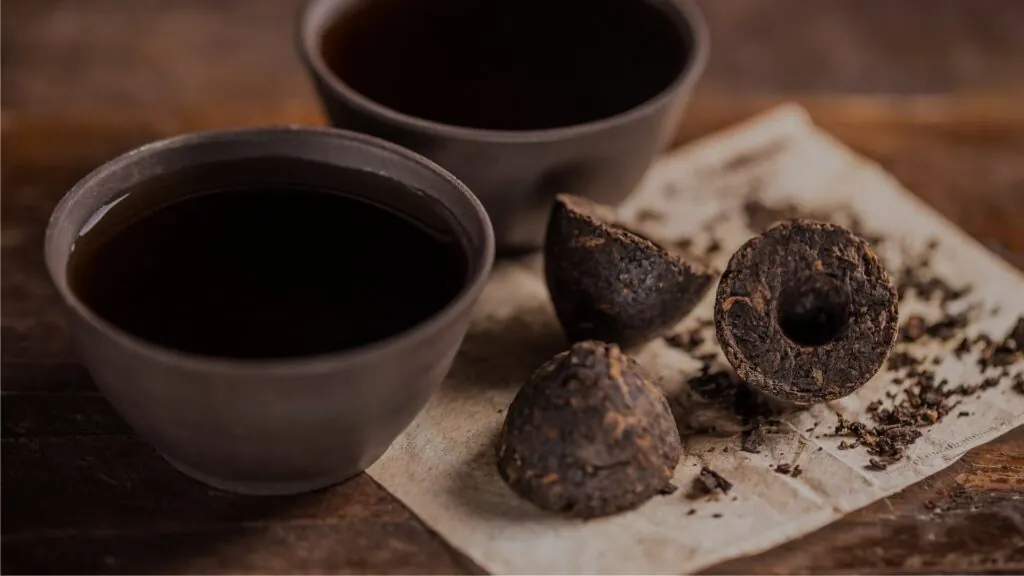
Red tea (called black tea in China) is a tea that has undergone an additional non-enzymatic fermentation process after the leaves have dried (post-fermentation). It is made from a large-leafed variety of the tea plant..
Red tea is often called Pu-Erh interchangeably, but these terms are not the same. The name Pu-Erh (associated with the Chinese town) applies only to teas grown in Yunnan Province and subjected to the appropriate processing. The term "red tea" refers to all teas prepared in this manner (similar to Champagne and other sparkling wines).
Production process
The processing of red tea is initially very similar to that of green tea. The difference occurs in the roasting temperature of the leaves. Green tea uses a higher temperature, but the leaves are exposed to it for a shorter time. Red tea uses a slightly lower temperature, but the processing takes longer. This prevents the leaves from drying out completely, while neutralizing the enzymes within them, making them suitable for the next stage – non-enzymatic fermentation. Leaves that have been roasted but not fermented are called raw or green pu-erh – they are ready to drink, but their flavor is sharp and bitter. They also lack many of the properties for which red tea is most prized.
For green pu-erh to become mature pu-erh as we know it, it must undergo a non-enzymatic fermentation process using microorganisms and noble fungi. This is accomplished in one of two ways.
In the case of long-aged pu-erh, the tea is left in appropriate microclimatic conditions for an extended period (at least 5 years, or even several decades). During this time, fungi and microorganisms (from the air) slowly develop, giving the tea its unique character. The flavor and aroma of the aging tea change over time. Tea aged 3-5 years still has a slightly raw flavor combined with the intriguing aroma of pu-erh. Tea aged 5-10 years is noticeably mature, with a mild and sweet infusion. A 20-year-old is definitely mature, with a rich, multi-layered aroma.
Ripe black pu-erh (Shou) is obtained by undergoing the wodui process, or accelerated ripening. Dried leaves are formed into heaps and sprayed with water. In a humid environment, microorganisms and fungi inoculated on the leaves multiply more rapidly, allowing the characteristic pu-erh flavor to emerge within a few weeks. This makes this variety cheaper and more popular.
Red teas available
All varieties of pu-erh: fresh green, long-ripened, and ripe black, are available in loose form or pressed into various sizes of cakes, nests, or bricks. All can also be further aged.
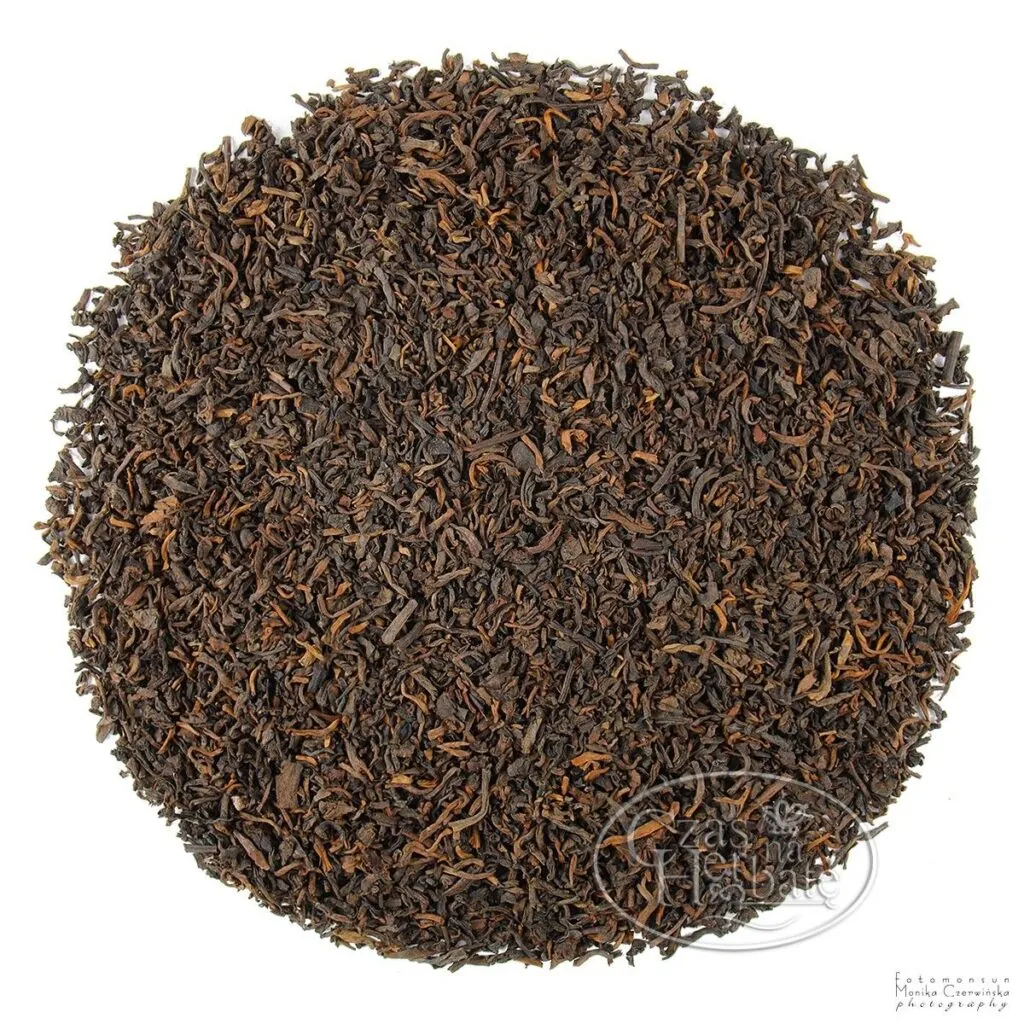
Pu-erh is a dark tea with an earthy flavor that takes some getting used to. Thanks to its weight-loss properties, we reach for it quite often. Good red tea has a slightly cellar-like aroma, but it shouldn't reek of mold.
Buy online
Check also
Can you drink green tea while pregnant?
Pregnancy is a time when every expectant mother carefully examines her eating habits and seeks reliable information about the safety of the products she consumes. Expectant mothers often check whether green tea is safe to drink during pregnancy because they want to be absolutely sure that the chosen infusion is completely safe for the baby's health. It's worth knowing the specific rules for its consumption. The most important […]
Does tea raise blood pressure? Everything you need to know
Many hot tea lovers, reaching for their next cup of tea throughout the day, wonder if tea raises blood pressure. The topic of theine's effect on the circulatory system is highly controversial, as the body's response depends on the type of tea and its preparation method. In this guide, we'll explain how different varieties affect blood vessels and help you understand whether your favorite […]

Is tea healthy? Check out its properties and contraindications.
Wondering if drinking tea is healthy as you reach for another cup of your favorite infusion throughout the day? This aromatic beverage has been with us for thousands of years, and modern science is increasingly confirming its unique effects on the human body. In this guide, we'll explore what's hidden in tea leaves, how different varieties support our well-being, and what […]